
Rough wheatgrass
Anthosachne scabra
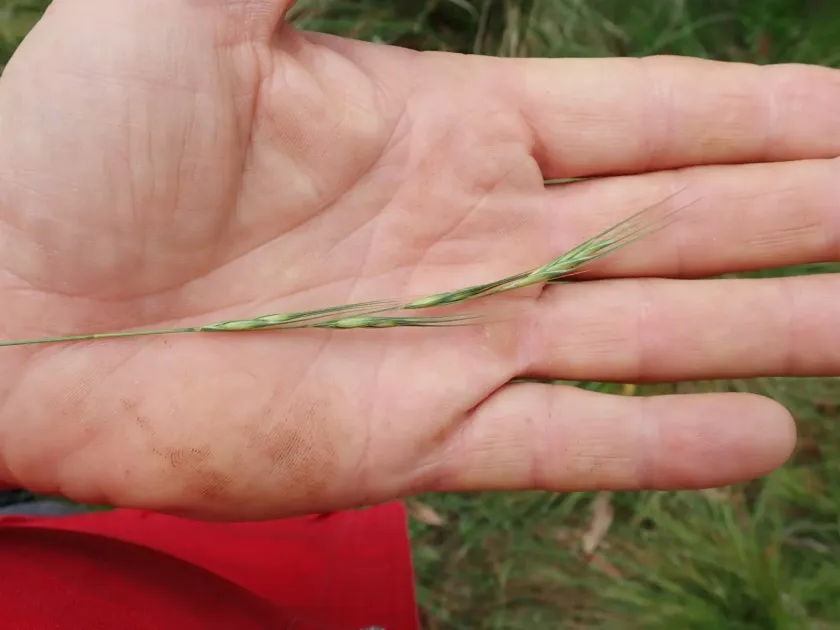
Description
Growing requirements
Rough wheatgrass (Anthosachne scabra) is a perennial grass species belonging to the Poaceae family. Native to Australia, this plant is well-regarded for its resilience and ability to thrive in challenging environmental conditions, particularly in areas where other forage species might struggle to survive.
The species is highly valued for its drought tolerance and deep root system, which allows it to stabilize soil and prevent erosion effectively. It is a key component in ecological restoration projects aimed at reclaiming degraded land and improving pasture quality in arid regions.
It adapts to a wide variety of soil textures, ranging from heavy clays to lighter sandy loams. While it prefers neutral soil pH, it demonstrates impressive tolerance to saline conditions, making it a versatile tool for farmers managing less-than-ideal plots.
In terms of climate, it performs best in regions with seasonal rainfall, although it enters a state of dormancy during extreme droughts to protect its vital structures. It is capable of enduring significant temperature fluctuations, which is essential for survival in diverse agricultural landscapes.
Regarding agricultural management, this grass requires minimal input once established. It is known for its excellent regrowth capabilities after being grazed by livestock, ensuring a sustainable supply of biomass throughout the growing season.
Main diseases and pests
The primary threats to Anthosachne scabra include various fungal pathogens such as rusts and powdery mildew, which tend to proliferate in conditions characterized by poor air circulation or excessive moisture accumulation within the canopy.
Insect pests, including grasshoppers and subterranean larvae, can cause significant damage to the plant population. Grazing pressure must be carefully managed to avoid overgrazing, which leaves the plants stressed and more susceptible to these attacks.
To mitigate the risk of disease, producers should implement rotational grazing schedules. This practice prevents the accumulation of old, dead biomass, which can harbor spores and pests, and allows the plants sufficient recovery time to maintain vigorous growth.
Regular field scouting is essential, especially during the spring green-up and late autumn phases. Identifying pest outbreaks early allows for targeted management strategies that minimize environmental impact.
Integrated pest management (IPM) techniques, including the maintenance of healthy, competitive native plant communities, are recommended as the first line of defense against invasive weeds and persistent pests.