
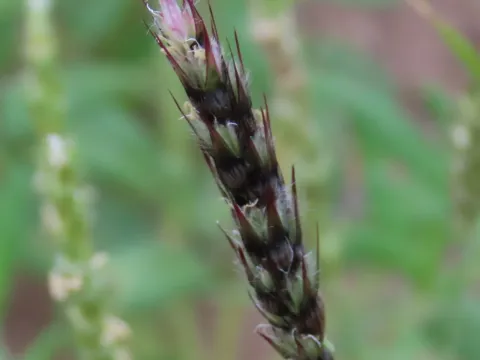
Anthephora
Anthephora
Anthephora is a genus of perennial or annual grasses belonging to the Poaceae family. The most prominent species in agricultural applications is Anthephora pubescens, which is highly valued for its nutritional profile and its remarkable ability to thrive in harsh environments.
What the section contains


Anthephora
Native to the tropical and subtropical regions of Africa, this plant is naturally adapted to dry savanna ecosystems. Its exceptional drought tolerance has led to its introduction in arid regions worldwide as a vital forage crop for livestock management.
Anthephora has specific soil requirements, preferring well-drained sandy or sandy-loam soils. The crop performs poorly in waterlogged conditions or heavy clay soils, as it requires good aeration around the root zone for optimal nutrient uptake and general development.
The plant features a deep and extensive root system, allowing it to extract moisture from deep soil profiles. It flourishes in temperatures between 20 and 35 degrees Celsius and exhibits high tolerance to intense solar radiation, making it ideal for tropical pastures.
The primary agricultural use of Anthephora is for grazing land and hay production. It is highly regarded for its high protein digestibility, which is essential for maintaining the health and productivity of ruminant animals in drought-prone areas.
Common threats to Anthephora crops include fungal diseases such as powdery mildew or rust, which typically occur during periods of high humidity. Proper crop density and management are essential to ensure adequate airflow and minimize the risk of infection.
Among pests, grasshoppers and various defoliating caterpillars pose the greatest risk, as they can cause significant biomass loss. Regular monitoring of pest populations is recommended during the peak vegetative growth phase to prevent economic damage.
Root rot can sometimes occur if crop rotation is neglected or if there is excessive soil moisture. Chemical fungicide application is generally reserved for severe outbreaks, as the plant possesses inherent resistance to many local pathogens.
Weed encroachment is a primary challenge during the establishment of the crop, necessitating initial herbicide treatment or mechanical weeding. Once established, Anthephora's aggressive growth habit allows it to outcompete most invasive weeds.
Strategic grazing management is advised to maintain the health of the grassland. Rotational grazing helps prevent overgrazing, which protects the root reserves and discourages the buildup of detrimental insect populations within the lower canopy.