
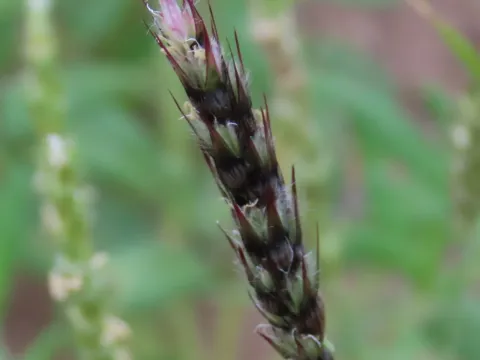
Anthephora
Anthephora Schreb.
Sowing Anthephora should be timed with the onset of the rainy season to ensure optimal moisture levels for germination. The soil temperature must be consistently warm, ideally above 20°C.
What the section contains

Anthephora
A well-prepared seedbed is essential for this crop. The field should be plowed and leveled to ensure that seeds are placed at a uniform depth of approximately 1 to 2 centimeters.
Row planting is the preferred method, with inter-row spacing of 20 to 30 centimeters. This density allows for easier weed control and better airflow between the developing plants.
After seeding, rolling the soil surface is recommended to enhance seed-to-soil contact. This practice is crucial in preventing seed desiccation during the initial germination phase.
The average seeding rate ranges from 5 to 10 kilograms per hectare depending on the seed quality. Following the establishment, it is important to monitor the field for any thinning in the stand.
Anthephora is a resilient grass genus belonging to the Poaceae family, naturally adapted to hot and semi-arid environments. Its biological structure allows for high efficiency in water retention.
The crop thrives in well-drained soils, showing a strong preference for sandy or loamy textures. It performs poorly in heavy, clay-rich soils where waterlogging occurs, as the root system requires significant oxygen.
It is highly photophilous and requires full sun exposure to reach its maximum biomass potential. Shaded areas significantly inhibit its growth rate and overall development.
The optimal temperature range for growth is between 25°C and 35°C. The plant exhibits high heat tolerance but is susceptible to cold stress, making it unsuitable for temperate climates with frequent frosts.
Nutritional requirements are moderate. The application of nitrogenous fertilizers, especially after grazing or harvesting, significantly boosts vegetative regrowth and increases overall yield.
As a productive forage grass, Anthephora provides substantial biomass for livestock grazing. It is particularly valued in tropical regions where high-quality forage is seasonally scarce.
Dry matter yields are highly dependent on annual rainfall and soil fertility. Under optimal management, the grass can support intensive grazing cycles without permanent damage to the stand.
The nutritive quality is high, provided the forage is utilized before the stem lignification phase. It contains balanced levels of proteins and structural carbohydrates essential for ruminant health.
Beyond its use as livestock feed, the plant serves as a soil stabilizer. Its extensive root architecture effectively binds sandy soils and prevents erosion in dryland agriculture.
Hay production is a secondary common use. Harvesting at the peak of vegetative growth ensures the highest quality of hay, which can be stored for feeding during the dry season.
Fungal diseases, including various types of leaf rust and leaf spots, constitute the primary biological threat to the crop. These are most prevalent in high-humidity periods, requiring careful management.
Insects, particularly grasshoppers and leaf-eating beetles, can cause significant foliage loss. Regular scouting of the field is necessary to implement timely control measures if populations spike.
Overgrazing is a major threat that can lead to the thinning of the stand and the encroachment of invasive weed species. A rotational grazing strategy is vital to maintaining long-term productivity.
Weed management involves mechanical hoeing during the establishment phase and the use of selective herbicides if pressure from broadleaf weeds becomes excessive.
Maintaining plant vigor through balanced fertilization and appropriate rest periods after grazing serves as the best defense against pests and diseases throughout the growth cycle.