
Anthephora hermaphrodita
Anthephora hermaphrodita
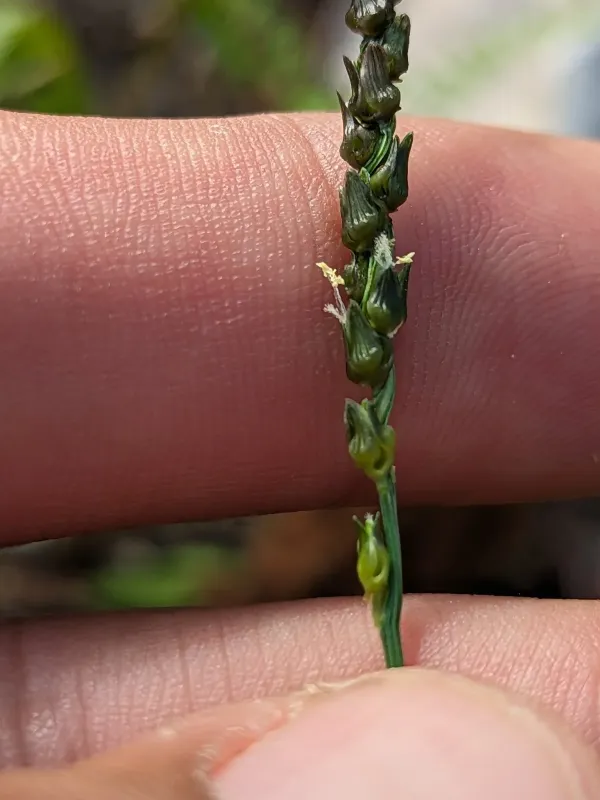
Description
Sowing dates
Sowing of Anthephora hermaphrodita is typically conducted at the beginning of the rainy season when soil temperatures are consistently above 25 degrees Celsius. Proper timing is crucial to ensure deep rooting before the dry season begins.
The seeds should be planted in rows spaced 30 to 40 centimeters apart to provide sufficient space for tillering. Seed burial depth must be shallow, ideally between 1 and 2 centimeters, due to the small size of the seeds.
Seed density typically ranges from 5 to 8 kilograms per hectare, depending on soil fertility and the expected density of the pasture. Land preparation should involve leveling to prevent water logging, which can inhibit early growth.
Interseeding into existing pastures is possible, though it requires effective weed management to allow the young plants to establish successfully. Supplemental irrigation during the initial stages can significantly improve germination rates.
In regions with two distinct rainy seasons, it is possible to perform two sowings per year to maximize total forage biomass production.
Growing requirements
Anthephora hermaphrodita is a member of the Poaceae family, adapted to high-light environments in tropical and subtropical regions. It is characterized by excellent drought tolerance once the root system has become fully established.
The grass thrives in light loamy or sandy soils that offer good drainage. It does not tolerate prolonged waterlogging, making it unsuitable for low-lying areas that collect standing water during heavy rain.
The ideal soil pH for this crop ranges from 5.5 to 7.0. Highly acidic soils may require liming to ensure proper nutrient uptake, particularly for essential elements like phosphorus and magnesium.
Its deep root system allows the plant to access moisture from subsoil layers during dry spells, which helps maintain green cover longer than many other grass species.
Strategic application of nitrogen-based fertilizers during the active growth phase is highly recommended to increase yield and improve the crude protein content of the fodder.
Yield
The yield of Anthephora hermaphrodita is highly responsive to the quality of farm management. Under optimal moisture and nutrient conditions, multiple harvests are possible within a single growing season.
Agricultural yields typically range from 15 to 25 tonnes of fresh green matter per hectare per season. The plant's high leaf-to-stem ratio makes it a preferred option for intensive livestock grazing.
Nutritional value is considered moderate but consistent, provided that harvesting occurs before the plant reaches full maturity. High protein levels are observed if the crop is cut during the vegetative stage.
Regular fertilization following each cutting cycle is vital to keep the plants productive throughout the year. This ensures that the crop maintains its regenerative capacity.
Incorporating this grass into crop rotation cycles can enhance soil structure, as its dense root system contributes significant amounts of organic matter to the soil profile.
Main diseases and pests
Fungal diseases, particularly rusts that thrive in high-humidity conditions, represent the primary biological threat to this crop. Managing field airflow can help reduce the prevalence of these pathogens.
Insect pests, such as armyworms and various grass moths, can cause rapid defoliation if infestations are not detected early. Regular scouting of the fields is recommended during the peak growth season.
Weed competition during the establishment phase is a significant risk. Using pre-emergent herbicides or manual weeding in the early weeks is often necessary for uniform stand development.
Nematode pressure on the roots can occur in fields where the grass is grown continuously. Rotating with non-grass crops can help break the lifecycle of these soil-borne pests.
Implementing integrated pest management (IPM) practices, including proper harvest timing, is the most effective way to protect the integrity and yield of the pasture.
Harvesting
Harvesting should take place before the stems start to lignify, ideally at the early booting or early flowering stage. Delaying the harvest reduces both digestibility and crude protein content.
When producing hay, it is essential to dry the material rapidly in sunny conditions to avoid leaf loss. Proper moisture management ensures the preservation of vital nutrients during storage.
Silage production is a viable option for surplus biomass, helping ensure a steady food supply during the dry season. Effective compaction in the silo is required to maintain quality.
Cutting height should be maintained at 5 to 7 centimeters above the soil level to prevent damage to the crown and ensure quick regrowth after the harvest.
- Timely cutting prevents the crop from becoming too fibrous.
- Modern machinery allows for efficient collection and storage of fodder.
- Controlled storage environments prevent spoilage and mycotoxin formation.