
Anthephora schinzii
Anthephora schinzii
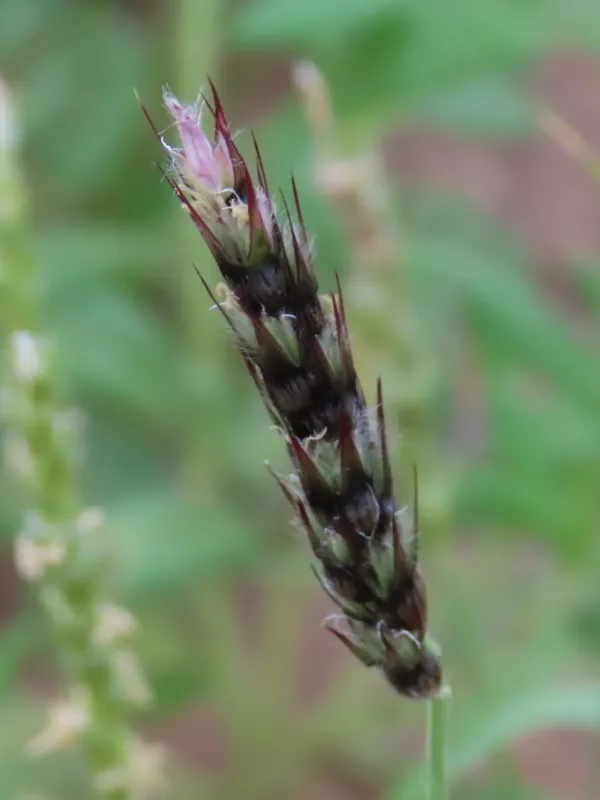
Description
Growing requirements
Anthephora schinzii is a perennial grass species belonging to the Poaceae family. Native to southern Africa, it is widely recognized for its ability to thrive in savanna ecosystems, demonstrating significant ecological plasticity.
The plant is highly valued for its exceptional drought tolerance. It features a robust, deep-reaching root system, which allows it to access groundwater and survive extended periods of low precipitation that would kill many other forage species.
When it comes to soil preferences, Anthephora schinzii thrives best in sandy and well-drained soils. It is remarkably tolerant of low fertility and acidic conditions, making it an ideal candidate for restoring degraded landscapes and marginal lands.
Climatic requirements focus on high heat and constant solar exposure. As a warm-season grass, it is sensitive to frost and requires a tropical or sub-tropical climate to maintain its vigorous growth rates throughout the year.
The primary agricultural use of this grass is for grazing and hay production. It is highly palatable to livestock and possesses a notable capacity for rapid recovery after grazing, ensuring sustainable biomass yield in arid regions.
Main diseases and pests
Anthephora schinzii is generally robust and suffers from few major diseases. However, in poorly drained or waterlogged environments, the crop may become susceptible to fungal infections of the roots and crowns.
Insect pests are the most common biological threat. Locusts and various grasshopper species can cause significant damage to the foliage, especially during peak growth seasons if population densities are high.
Effective management strategies include controlled grazing practices to prevent overgrazing, which reduces plant vigor. Maintaining adequate stand health is the most effective preventative measure against potential pest outbreaks.
Weed competition is minimal once the stand is established, as the grass grows in dense tufts that successfully occupy space. Early weed management is only critical during the initial germination and establishment phase.
Regular field scouting is recommended to ensure early detection of any health anomalies. By ensuring the plants are not stressed by excessive grazing, growers can maintain productive pastures for many seasons.