
Anthephora laevis
Anthephora laevis
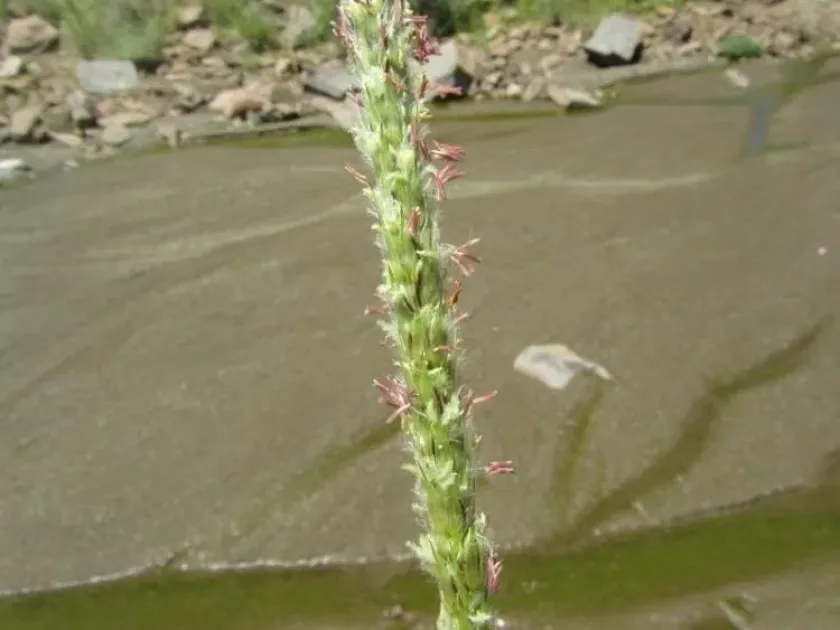
Description
Sowing dates
Anthephora laevis is a perennial grass species belonging to the Poaceae family. It is primarily valued in agriculture for its ability to produce stable biomass in challenging climatic conditions typical of tropical and subtropical zones.
The sowing process requires warm temperatures, as the seeds have high thermal requirements for germination. Planting should be timed to match the onset of the rainy season to ensure sufficient moisture for seedling establishment.
Field preparation involves creating a fine tilth and ensuring a level surface to optimize the seed-to-soil contact. Proper depth control is critical; placing seeds too deep often results in poor emergence rates.
The seeding rate must be adjusted based on the intended land use, whether for continuous grazing or intermittent hay production. Establishing a uniform stand is essential for effective weed suppression.
After sowing, light rolling can help stabilize the soil surface and improve capillary water movement to the seeds, facilitating a faster and more uniform germination process.
Growing requirements
This grass thrives in well-drained, sandy, or loamy soils. While it can tolerate a variety of soil types, it performs best in soils with high aeration, avoiding sites prone to prolonged waterlogging.
Anthephora laevis is a heliophilic plant, requiring full sun exposure to reach its maximum productivity. It does not perform well in shaded areas, as reduced light intensity leads to stunted growth.
It is known for its impressive drought tolerance, making it a reliable choice for areas with inconsistent rainfall. However, supplemental irrigation can significantly boost dry matter yields during dry spells.
Nutrient management is key; the application of nitrogenous fertilizers during active growth cycles encourages vigorous tillering and leaf development. Potassium and phosphorus are necessary to support root architecture.
The species is sensitive to frost and extreme cold. It should be cultivated in regions where temperatures remain consistently above freezing throughout the growing period.
Yield
The primary use of Anthephora laevis is as a reliable forage source for livestock. It is highly palatable, which makes it an excellent candidate for managed grazing systems.
The yield of green matter is heavily influenced by the management system employed. Rotational grazing allows for plant recovery, ensuring the longevity of the stand over several seasons.
For high-quality hay, the crop should be harvested before the onset of the flowering stage, when the nutrient content, particularly proteins and vitamins, is at its peak.
Regrowth capacity is one of the distinct biological advantages of this species. Its ability to bounce back quickly after grazing or cutting makes it highly productive in intensive agricultural settings.
Yield stability is generally maintained over several years if proper fertilization and grazing rest periods are observed, preventing the depletion of stored nutrients in the root system.
Main diseases and pests
Fungal diseases, including leaf spots and rusts, can become problematic during periods of high humidity. Maintaining proper field hygiene and avoiding dense, stagnant air pockets can mitigate these risks.
Soil-borne insects are potential threats to the seedling stage, requiring periodic monitoring of the field. Early detection allows for effective management through integrated pest control strategies.
Weed competition is most significant during the establishment phase. Proper land preparation and initial weed control are essential for the crop to gain dominance over opportunistic invasive species.
Overgrazing poses a significant risk to the plant's health. Constant close grazing prevents the grass from replenishing its energy reserves, which can lead to stand thinning and long-term decline.
Preventative measures against biotic threats include crop rotation, avoiding overstocking in pasture areas, and ensuring that soil drainage is adequate to prevent root diseases.