
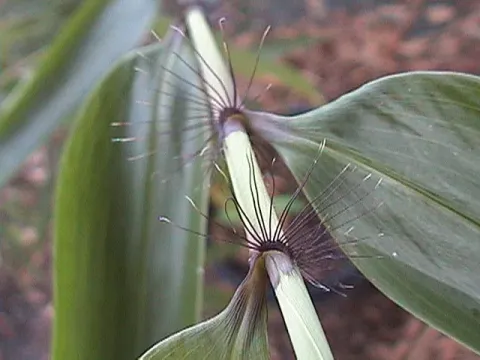
Ampelocalamus
Ampelocalamus
Ampelocalamus is a genus belonging to the Poaceae family, subfamily Bambusoideae. It is characterized by its distinct, often drooping or vine-like culms, which set it apart from typical upright bamboo species.
What the section contains
Ampelocalamus
The plant originates from the tropical and subtropical regions of Southeast Asia, primarily found in the mountain ranges of China and surrounding territories where humidity remains consistently high.
Regarding soil requirements, Ampelocalamus thrives in nutrient-rich, well-draining loamy soils. It is highly susceptible to root damage if the substrate becomes waterlogged for extended periods.
The climate must be mild to warm; the plant typically lacks frost tolerance and requires consistent temperatures between 20°C and 30°C to reach its full growth potential.
In terms of agricultural and commercial use, this bamboo is valued for its flexibility, making it an excellent material for weaving, decorative handicraft, and creating dense green screens in horticulture.
Pathogenic fungi pose the most significant threat to this culture, especially in indoor or high-humidity greenhouse environments where air circulation is restricted.
Common pests include spider mites and scale insects, which settle on the underside of leaves and along the culms, causing significant sap loss and yellowing.
Improper nutrient management can lead to physiological stress, manifesting as stunted culm development or chlorosis of the foliage during the growing season.
Mechanical damage to the rhizomes during cultivation practices can open pathways for secondary bacterial infections, potentially killing the entire cluster.
Integrated pest management, including regular inspection and the use of preventive fungicides, is essential to maintain the health and vigor of Ampelocalamus plantations.