
Amethyst melic
Melica amethystina
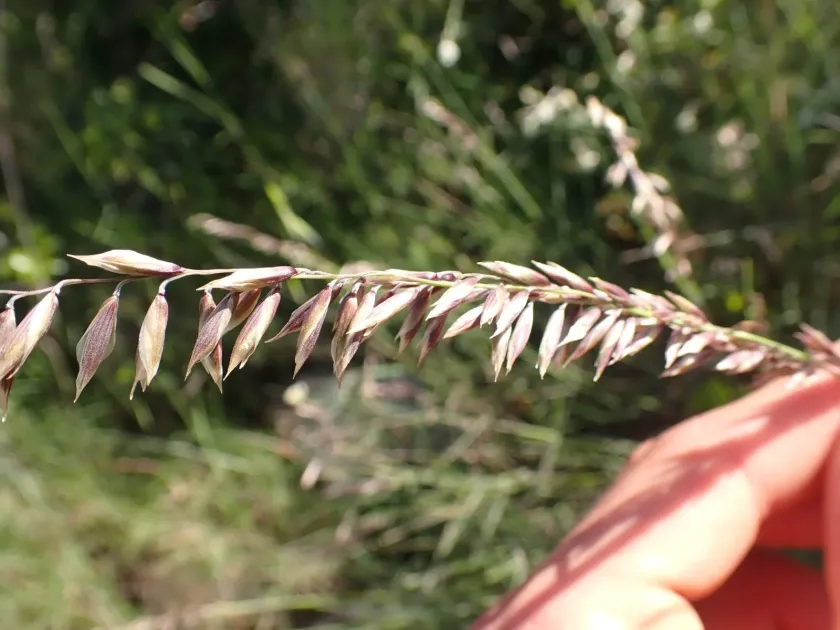
Description
Growing requirements
Amethyst melic (Melica amethystina) is a perennial grass species belonging to the Poaceae family. It is widely recognized for its delicate, arching inflorescences that exhibit beautiful amethyst-colored hues, making it a valuable botanical specimen.
The plant thrives in well-drained soils and shows a preference for moderate soil fertility. It is capable of adapting to a wide range of soil types, provided that the growing medium does not remain waterlogged for extended periods.
Originating from Mediterranean climates, this species is well-suited to regions with warm, dry summers. It demonstrates excellent drought tolerance once the root system is fully established, minimizing the need for supplemental irrigation.
Regarding light requirements, Melica amethystina performs best in full sun. While it can tolerate partial shade, maximum aesthetic appeal and strong structural growth are achieved when the plants receive at least six hours of direct sunlight daily.
Maintenance practices are relatively simple for this species. It requires minimal fertilizer inputs; in fact, excessive nitrogen can lead to weak, overly succulent growth that is prone to lodging or disease.
Main diseases and pests
The most common health issues for Amethyst melic involve fungal infections, specifically rusts that affect the foliage during periods of high humidity and poor air circulation. Proper spacing is essential to mitigate these risks.
Root rot is a significant concern in heavy or poorly drained soils. Gardeners and farmers should focus on soil preparation, incorporating organic matter or gravel if necessary to improve permeability and prevent anaerobic conditions.
Insect pests such as grass aphids can occasionally target the succulent new growth during spring. Monitoring is advised, as heavy infestations can stunt the plant's overall vigor and reduce the duration of the blooming period.
Preventive care includes removing dead foliage in late winter or early spring before new growth emerges. This practice helps to reduce the inoculum load of potential pathogens and promotes vigorous development of new shoots.
Integrated pest management strategies should be employed if chemical control is necessary. Using selective insecticides helps protect beneficial insects in the ecosystem while effectively managing the pest population on the grasses.