
Ammochloa
Ammochloa
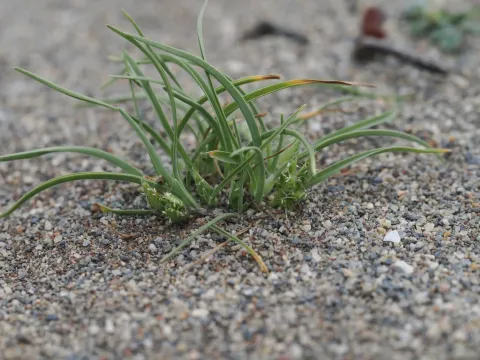
Ammochloa is a genus of annual herbaceous plants belonging to the Poaceae family. These plants are scientifically recognized for their extreme resilience in arid environments, specifically adapted to survive in sandy soils where moisture retention is minimal.
What the section contains

Ammochloa
The geographic distribution of Ammochloa is concentrated in the Mediterranean basin, North Africa, and parts of Western Asia. It functions as an ephemeral plant, completing its entire life cycle during short wet windows to escape the harsh, prolonged drought of summer.
The crop demands high solar radiation and thrives in environments with extreme diurnal temperature fluctuations. Proper development depends on specific photoperiodic cues that trigger rapid growth and seed production before the onset of the heat season.
Soil requirements for Ammochloa include well-drained, sandy, or gravelly substrates. The plant is highly sensitive to soil compaction and waterlogging, necessitating airy environments where its root system can access limited nutrients without the risk of root rot.
In practice, Ammochloa is utilized for its ecological value in soil stabilization and desert land management. By forming a vegetative cover on mobile dunes, it serves as a critical biological tool for preventing wind erosion and maintaining soil integrity in degraded arid landscapes.