
Nuttallanthus canadensis
Nuttallanthus canadensis
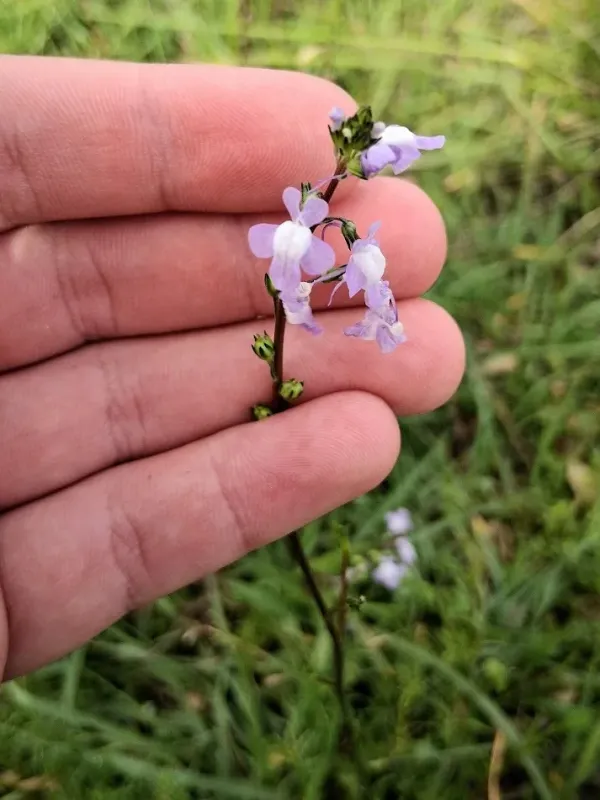
Description
Growing requirements
Nuttallanthus canadensis, commonly known as blue toadflax, belongs to the Plantaginaceae family. While it is often considered a weed in agricultural settings, its biological plasticity makes it a significant subject for study in weed ecology and land management.
The species is native to North America and has spread across various regions characterized by sandy or nutrient-poor soils. It is typically found in disturbed habitats, fields, and along roadsides, reflecting its high capability to colonize unstable environments.
Botanically, it is a biennial or annual herb. It develops a basal rosette in the early growth stage, followed by erect, slender stems that carry delicate, blue-to-violet flowers. Its root system is deep relative to its height, aiding in nutrient and water uptake.
In terms of environmental requirements, this plant thrives in full sun exposure. It prefers well-drained, acidic to neutral soil conditions, showing particular resilience to low-fertility zones where competitive pressure from primary crops may be relatively low.
Agricultural control measures focus on preventive tillage before seed set. Because the species spreads efficiently through small, wind-dispersed seeds, integrated pest management strategies are essential to prevent infestation in sensitive crop production fields.