
Nuttallanthus texanus
Nuttallanthus texanus
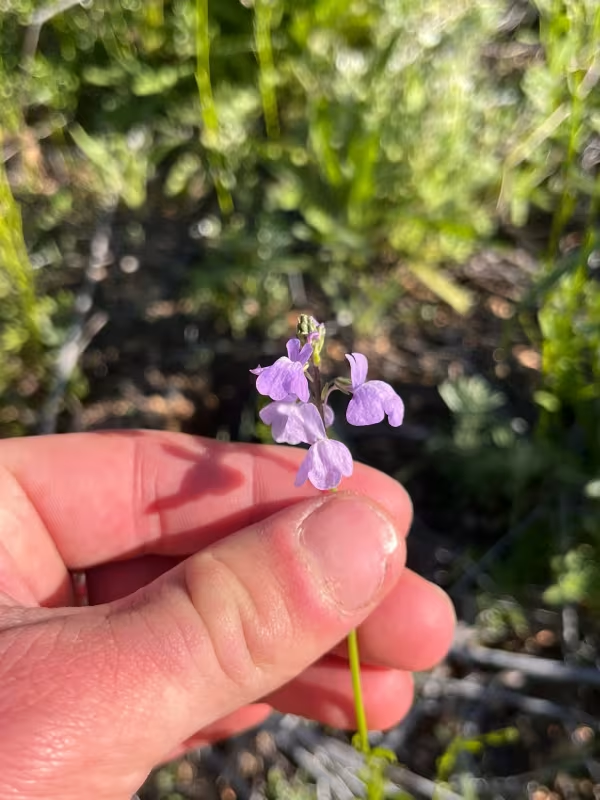
Description
Sowing dates
Nuttallanthus texanus, a member of the Plantaginaceae family, is a versatile annual or biennial plant originating from the southwestern United States and Mexico. Its biological characteristics allow it to thrive in diverse, often challenging, open-field conditions.
The sowing process begins by preparing a well-drained, porous seedbed. Seeds are small and require consistent contact with the soil surface to germinate effectively. They should be lightly covered or pressed into the soil to ensure adequate moisture retention without burial.
Optimal sowing occurs during the autumn in milder regions, allowing for early spring growth and establishment. In regions with harsh winters, sowing in early spring, once the soil has begun to warm, is the preferred method for successful stand establishment.
Proper plant spacing is critical to ensure sufficient access to light and nutrients. Overcrowding can lead to stunted growth and reduced vigor, which negatively impacts the plant's natural development and subsequent ornamental or ecological value.
After seeding, maintaining moderate soil moisture is crucial until the seedlings achieve true leaf development. Once established, the root system matures quickly, allowing the plant to become largely self-sufficient in its hydration needs.
Growing requirements
Nuttallanthus texanus is highly adaptable but performs best in full sunlight. It exhibits high tolerance to poor-quality soils, including rocky or sandy substrates, making it an excellent candidate for regions where nutrient-dense soil is limited.
The plant has minimal requirements for fertilizers; however, balanced mineral supplementation containing phosphorus can enhance flowering density. Avoiding excessive nitrogen application is recommended to prevent excessive vegetative growth at the expense of reproductive output.
Temperature range is a vital consideration for this species. It is well-adapted to hot, arid summers and exhibits resilience to sudden temperature fluctuations in early spring. Good drainage remains the most important soil requirement to prevent root issues.
Managing soil aeration is key to the plant's health. Regular cultivation around the plant base, without disturbing the root system, can help maintain soil structure and promote healthy gas exchange for the roots.
The species demonstrates strong drought-resistant properties once established. In agricultural landscapes, it provides a stable ground cover that requires minimal intervention, provided that weed competition is kept under control in the early growth stages.
Main diseases and pests
Root rot caused by stagnant water is the primary pathological threat to Nuttallanthus texanus. Managing drainage and avoiding over-irrigation are the most effective preventative measures against fungal pathogens like Pythium and Fusarium.
Pests such as aphids and spider mites can occasionally damage the foliage, particularly during prolonged dry spells. Integrated pest management strategies, utilizing biological agents or targeted sprays, are recommended to maintain plant health.
Competition from fast-growing invasive weeds is a significant concern in the early stages of plant development. Mechanical weeding or the application of selective mulches can provide the necessary advantage for the crop to outcompete opportunistic vegetation.
Fungal leaf spots can occur when humidity levels remain high for extended periods, especially in low-airflow environments. Ensuring proper spacing between plants is essential to promote foliage drying and reduce disease incidence.
Regular inspection of the plant canopy is necessary to identify early symptoms of infestation. By maintaining a clean growing area and removing infected debris promptly, growers can significantly lower the risks associated with typical agricultural pests.