
Ourisia alpina
Ourisia alpina
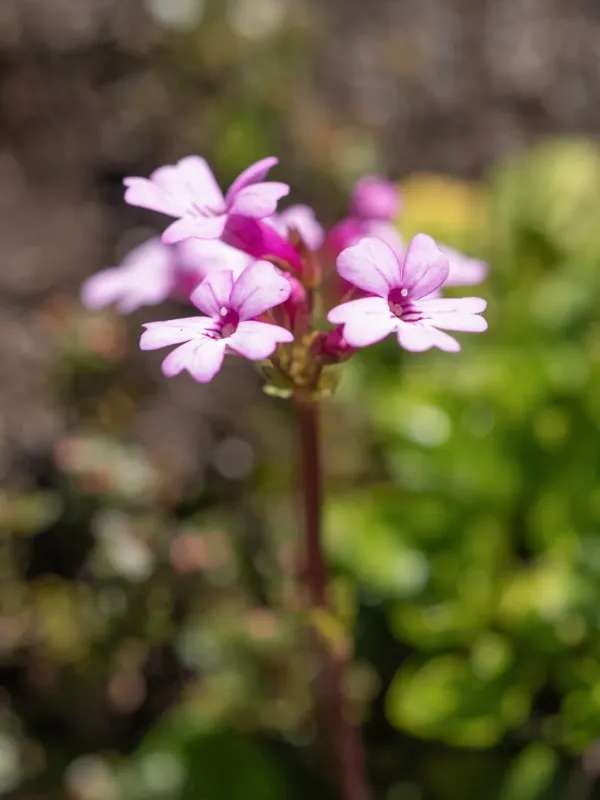
Description
Growing requirements
Ourisia alpina is a perennial herbaceous plant belonging to the family Plantaginaceae. Native to alpine regions, this plant is well-adapted to cooler climates and high-altitude environments, which dictates its specific cultivation needs.
The plant thrives in cool, moist conditions and performs best when provided with partial shade, particularly away from the harsh intensity of midday sun in warmer regions.
Successful growth requires well-draining soil to prevent root rot. A mix containing organic matter and gritty components like small gravel or pumice is ideal for mimicking natural rocky habitats.
Applying a layer of stone chippings or gravel around the base of the plant acts as a mulch, keeping the crown dry and preventing soil-borne pathogens from affecting the foliage.
In garden landscaping, Ourisia alpina is highly valued for its mat-forming growth habit, making it a perfect candidate for rock gardens, scree beds, and alpine troughs.
Main diseases and pests
The primary threats to Ourisia alpina are fungal diseases, often triggered by excessive humidity and poor air circulation around the plant's crown.
Root rot remains the most serious issue for these plants, usually resulting from standing water or soil that remains saturated for extended periods during the dormant season.
Slugs and snails are the most common pests, as they are attracted to the succulent-like foliage and can cause significant aesthetic damage in damp weather.
Maintaining proper spacing between plants is essential to promote airflow and reduce the humidity levels that encourage fungal development.
Regular monitoring for pest activity and ensuring efficient drainage in the planting area are the best preventative measures for maintaining healthy specimens.