
Turtlehead
Nothochelone nemorosa
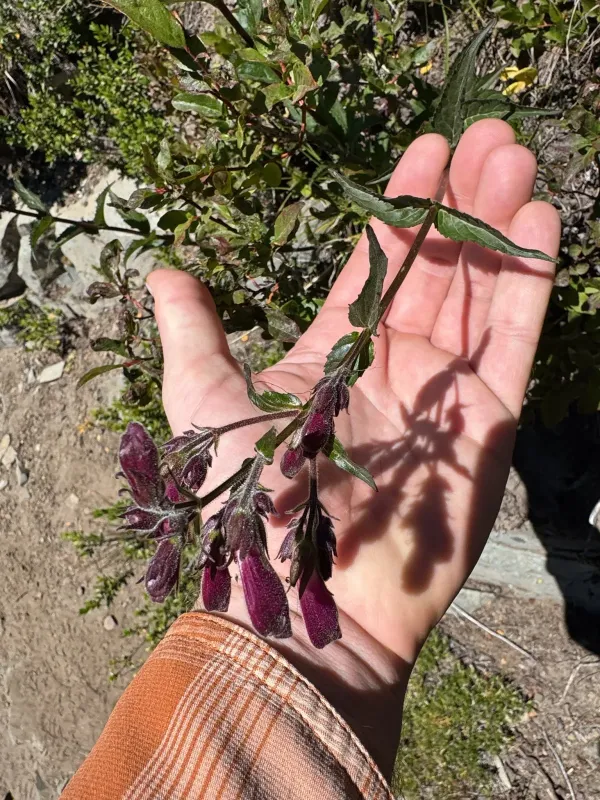
Description
Sowing dates
Sowing seeds of Chelone nemorosa is best performed in the late autumn to ensure natural stratification, which significantly improves the germination rate in spring.
If starting seeds indoors, they should be kept in a cool environment for at least six to eight weeks before being moved to a warmer germination area.
The seeds require light to germinate, so they should be pressed lightly into the soil surface without covering them with a thick layer of substrate.
Once the seedlings are large enough to handle, transplanting them into individual pots encourages root development before the final move to the garden.
Consistent moisture must be maintained throughout the germination period, as the drying of the soil can prevent the seeds from successfully sprouting.
Growing requirements
As a member of the Plantaginaceae family, this species thrives in moist, humus-rich soil that mimics its natural woodland habitat conditions.
The plant performs best in partially shaded locations, protected from the harsh, direct sun which can easily scorch its foliage during the hottest summer days.
Adequate soil structure is essential, so adding organic matter such as peat or compost will help maintain the necessary moisture levels and nutrient availability.
Regular irrigation is a key requirement for successful cultivation, especially during dry spells, as the plant lacks drought tolerance mechanisms.
Applying a layer of organic mulch around the base of the plant helps suppress weed competition while preserving the essential soil moisture content.
Main diseases and pests
The primary threats to this culture are fungal diseases such as powdery mildew, which thrive in areas with high humidity and poor air circulation.
Garden pests like aphids can periodically infest the young, tender leaves, leading to stunted growth and potentially transmitting viral infections.
Slugs and snails may cause significant damage to the plant, particularly in the spring, so monitoring the perimeter of the planting area is highly advised.
To prevent disease spread, it is crucial to remove and destroy any infected plant parts immediately upon noticing symptoms of spotting or decay.
Good garden hygiene, including the removal of dead foliage at the end of the season, significantly reduces the overwintering potential for pathogens and pests.