
Lophospermum
Lophospermum erubescens D. Don x L. scandens D. Don
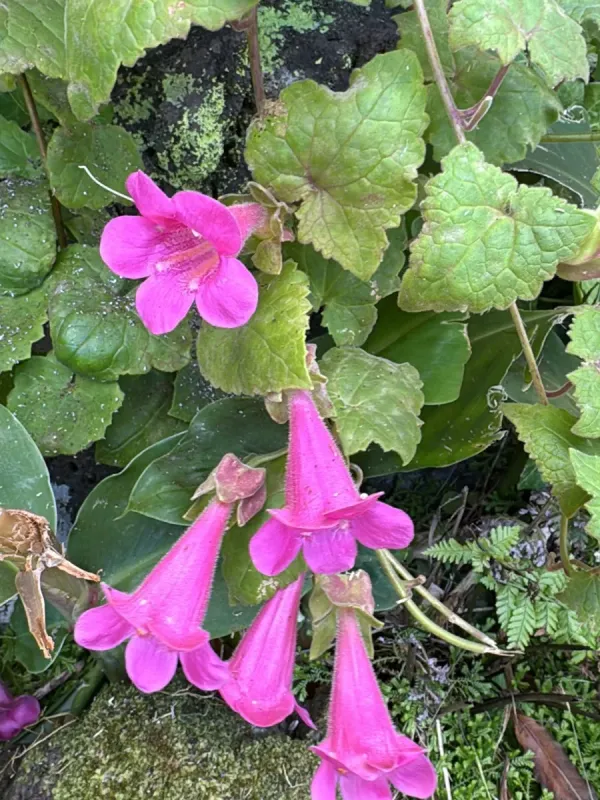
Description
Sowing dates
Lophospermum seeds should be sown indoors in late February or early March. The seeds require light for germination, so they must be sown on the surface of a moist substrate without being covered with soil.
Maintain a constant humidity and a temperature of about 20–22 degrees Celsius by covering the containers with glass or plastic. Germination is usually uneven and typically occurs within two to three weeks under good lighting conditions.
Seedlings should be pricked out into individual pots once they develop their first pair of true leaves. This technique encourages the growth of a robust root system, which ensures the plant establishes quickly when transplanted outside.
In regions with warmer climates, direct sowing in the garden is possible after the last frost date. However, starting seeds indoors is recommended in temperate zones to ensure a longer growing season and earlier flowering.
Pruning the tips of young stems is a crucial practice to stimulate lateral branching. A well-branched plant will produce significantly more flowers throughout the season, creating a lush, decorative effect.
Growing requirements
Lophospermum belongs to the Plantaginaceae family and is a vigorous climbing vine. The plant thrives in sunny locations protected from strong winds, as consistent warmth is essential for active shoot growth.
The soil should be fertile, well-drained, and light. Waterlogging is detrimental to the roots, so it is necessary to provide an excellent drainage layer if the plant is grown in containers to prevent rotting.
Regular, moderate watering is required throughout the growing season. The soil should remain consistently moist, especially during hot summer days, but should never be soggy to maintain optimal plant health.
To encourage continuous flowering, fertilize the plant every two weeks using a balanced liquid fertilizer. Formulas rich in phosphorus and potassium are particularly beneficial for sustaining bloom production.
Since it is a climbing plant, it requires sturdy supports such as trellises, arbors, or netting. The vine climbs naturally using its sensitive leaf petioles to grip structures, making it perfect for vertical gardening.
Main diseases and pests
Spider mites and aphids are the most common pests, particularly in greenhouse conditions. Systemic insecticides or specialized acaricides should be applied as soon as the first signs of infestation appear.
Root rot often occurs due to overwatering or poor soil aeration. To prevent this, always use sterile potting mix and ensure that the irrigation schedule allows the surface of the soil to dry slightly between waterings.
Powdery mildew can infect leaves during periods of high humidity and temperature fluctuations. Proper airflow and spacing between plants are essential to keep the foliage dry and reduce the incidence of fungal growth.
Nematodes can sometimes damage the root system when the plant is grown in open soil. Avoiding planting in sites with a history of nematode problems is a key preventive measure in crop management.
Whiteflies can become a nuisance in indoor environments; using yellow sticky traps is an effective non-chemical way to monitor and manage these populations. Maintain clean gardening tools to avoid spreading pathogens.