
Lophospermum erubescens
Lophospermum erubescens D. Don
Description
Sowing dates
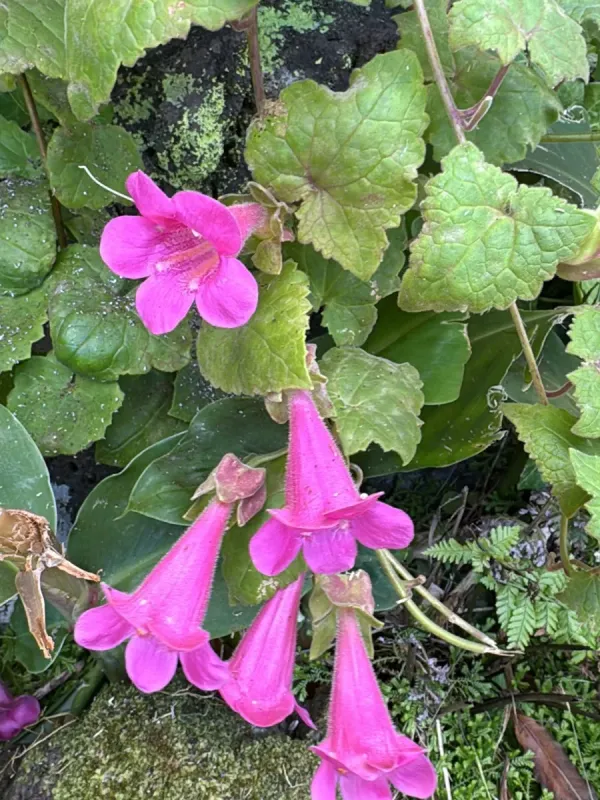
Lophospermum erubescens is a vigorous, perennial climbing vine belonging to the Plantaginaceae family. In temperate climates, it is typically cultivated as an annual, as it is highly susceptible to freezing temperatures and winter kill.
Seeds should be sown indoors in late winter, ideally between February and March. Because the seeds are tiny, they should be surface-sown on a moist, fine-textured seed starter mix and pressed lightly into the surface without covering them.
Maintaining a consistent environment is crucial for germination, with temperatures ideally kept between 20°C and 22°C. Adequate light is necessary immediately after emergence to prevent the seedlings from becoming leggy and weak.
Once the seedlings develop two sets of true leaves, they should be pricked out into individual pots. Handling the roots with care during this process is vital, as the plant is known to have a somewhat sensitive and fragile root system.
Hardening off the plants before transplanting is essential for success. This process should occur over a period of two weeks, gradually introducing the vines to outdoor conditions only after all danger of frost has passed in the spring.
Growing requirements
This species thrives in locations with full sun exposure. While it can tolerate partial shade, maximum flowering intensity is achieved when the plant receives several hours of direct sunlight every day during the growing season.
The soil must be fertile, rich in organic matter, and well-drained. The plant cannot tolerate "wet feet," so ensuring proper drainage in containers or garden beds is the most critical factor for avoiding root rot.
Regular watering is required to keep the soil consistently moist, but not saturated. During the peak of summer, it may be necessary to increase watering frequency to prevent the foliage from wilting under intense heat.
Consistent feeding with a balanced liquid fertilizer is recommended throughout the summer to support the plant's rapid growth. Fertilizing every two weeks helps ensure a steady supply of nutrients for the production of its characteristic trumpet-shaped flowers.
As a climbing vine, Lophospermum erubescens requires robust structural support to reach its full potential. Using trellises, arbors, or wire netting allows the plant to attach itself via its twining leaf petioles and grow upward effectively.
Main diseases and pests
Common pests associated with this plant include aphids and spider mites, which often target the tender young foliage. These pests are particularly problematic in hot, dry weather conditions, which favor their rapid reproduction.
Fungal diseases, such as powdery mildew, can occur if the foliage is kept too wet or if the plant is grown in an area with stagnant air. Maintaining good ventilation is the best preventive measure against such infections.
If an infestation occurs, applying horticultural soaps or systemic insecticides is usually effective in controlling the pest population. Applications should be timed carefully to avoid harming beneficial insects visiting the flowers.
In cases of fungal attack, the use of appropriate fungicides is recommended. Removing severely affected leaves or stems helps to contain the spread of the pathogen, allowing the plant to recover and continue its growth cycle.
Regular scouting of the plants for early signs of distress is highly recommended. By keeping the plant clean and providing optimal cultural conditions, gardeners can minimize the need for chemical intervention and keep the vines healthy.