
Kenilworth ivy
Cymbalaria muralis P. Gaertn. et al.
Description
Sowing dates
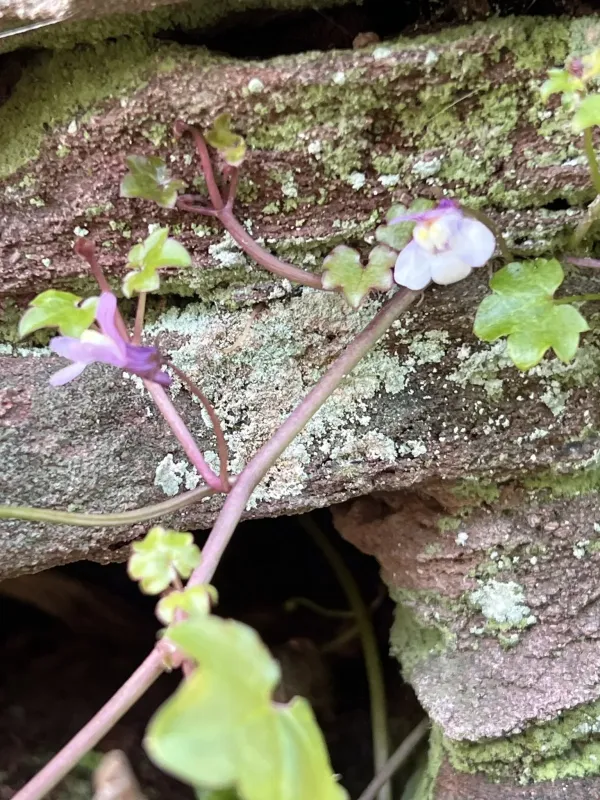
Kenilworth ivy (Cymbalaria muralis) belongs to the Plantaginaceae family. It is a perennial herbaceous plant known for its creeping, rooting stems that create dense, attractive foliage covers, commonly found trailing over stone walls or rock gardens.
Propagation is typically done via seeds sown in early spring (March or April). The seeds are very small and require surface sowing, as they need light to trigger the germination process. They should be pressed firmly into the substrate but not buried.
For optimal results, the germination temperature should be maintained between 18 and 20 degrees Celsius. Using a light, well-draining seed-starting mix ensures the necessary moisture levels without compacting the seeds.
Vegetative propagation is also highly effective. Stem cuttings can be taken throughout the growing season and will root rapidly in moist soil or even in water, allowing for quick expansion of the plant coverage in the garden.
Transplanting should occur when the seedlings are strong enough to be handled, usually after the danger of frost has passed. Spacing plants about 20 centimeters apart encourages rapid growth and uniform ground coverage.
Growing requirements
Cymbalaria muralis thrives in shaded or semi-shaded environments. While it can tolerate some sun, direct hot sunlight often causes leaf scorching and requires significantly more frequent watering to maintain the plant's health.
The plant is not overly demanding regarding soil composition. It prefers well-drained, slightly alkaline, or neutral soils. Its natural tendency to colonize rock crevices demonstrates its ability to grow in very limited amounts of substrate.
Watering requirements are moderate. The soil should be kept consistently moist but never waterlogged. Good drainage is essential, as the plant is highly susceptible to root rot if sitting in standing water for extended periods.
In terms of climate, Kenilworth ivy prefers mild conditions. While it is hardy in many temperate zones, it may suffer during exceptionally harsh winters. In colder regions, it is often treated as an annual or provided with winter protection.
Maintenance involves occasional light fertilizing during the active growing season. A balanced, diluted liquid fertilizer applied monthly is sufficient to support continuous blooming and lush green growth without causing excessive, weak stems.
Main diseases and pests
Powdery mildew is the most common fungal disease, especially in areas with poor airflow and high humidity. Improving air circulation around the plants and using mild fungicides can help control the infection.
Root rot remains a primary concern for gardeners growing this species. It is almost always a result of overwatering or inadequate soil drainage, requiring strict adjustment of the irrigation schedule to save the plant.
Slugs and snails are the most significant pests for Kenilworth ivy. They feed on the succulent leaves and stems, often destroying the plant's appearance overnight. Barrier methods or eco-friendly baits are recommended.
Aphids might infest the growing tips during hot, dry weather. Regular inspection is advised, as they can quickly spread. Minor infestations can be managed by washing the plants with a gentle stream of water or insecticidal soap.
Overall plant health is largely dependent on providing the right environment. By ensuring proper drainage and avoiding overcrowded planting, the risk of disease is significantly minimized throughout the lifespan of the plant.