
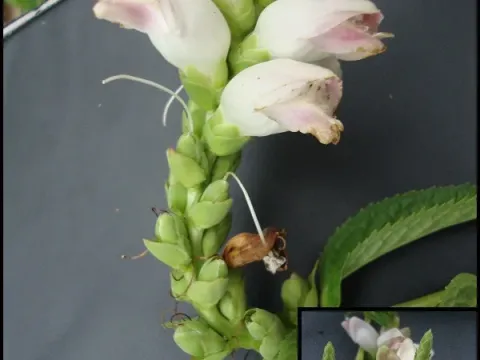
Chelone
Chelone L.
Chelone seeds are best sown in early spring after the soil warms up or in late autumn for natural winter stratification. For indoor seed starting, sow in containers during March and maintain temperatures between 18 and 20 degrees Celsius.
What the section contains


Chelone
When sowing in open ground, distribute seeds thinly over the prepared substrate and cover them lightly with fine peat or sand. Ensure a spacing of at least 30-40 centimeters between individual plants to accommodate mature growth.
Seedlings develop relatively slowly during the first few weeks, requiring consistent moisture and protection from direct midday heat. Pricking out should be done once the second pair of true leaves appears, moving them into individual pots.
Transplanting into permanent garden locations should occur in late May, ensuring the risk of frost has completely passed. Well-developed root systems are essential for the plant to establish itself quickly in its new environment.
Vegetative propagation via division of the root clump is the preferred method for home gardeners. This should be performed in early spring as new shoots emerge to ensure the plant recovers quickly and produces vigorous growth.
Chelone belongs to the Plantaginaceae family and is native to the wetlands and moist forest floors of North America. It thrives in environments that mimic its natural habitat, requiring consistently damp, rich soils.
For optimal growth, provide a humus-rich, fertile soil with a neutral to slightly acidic pH. The plant is highly sensitive to drought; maintaining soil moisture is the single most important factor in keeping it healthy.
While the plant prefers partial shade, it can tolerate full sun if water supply is abundant and reliable. Excessive heat without adequate soil moisture leads to stunted growth and premature wilting of the foliage.
Basic maintenance includes regular weeding and mulching around the base of the plant. Mulch helps regulate soil temperature and keeps moisture in the ground, reducing the frequency of irrigation required during summer.
Fertilization with a balanced, slow-release fertilizer in early spring promotes robust foliage development. A second application of a phosphorus-potassium-rich feed during the budding stage helps extend the blooming period.
Chelone is naturally resistant to many common garden diseases, provided it is grown in suitable conditions. However, poorly drained soils can lead to root rot, which is the most significant danger to the longevity of the plant.
Slugs and snails are the most frequent pests, particularly in shaded, damp gardens where the plant loves to grow. Use barrier techniques or organic slug pellets to protect young shoots from these voracious mollusks.
Powdery mildew may occur if the planting site lacks adequate air circulation or if the foliage remains wet for extended periods in humid weather. Proper spacing during the initial planting phase helps mitigate this risk.
Routine inspections during the active growing season will help identify any signs of pest infestation early. Integrated pest management, focusing on physical removal or biological controls, is highly effective for this crop.
Winter cleanup is vital: removing all dead stems and foliage in late autumn prevents the overwintering of pathogens. Keeping the planting area clean and well-aerated is the best preventive strategy for long-term health.