
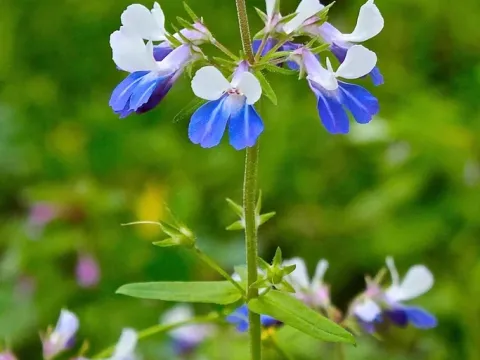
Collinsia
Collinsia
Collinsia seeds are typically sown in early spring as soon as the soil becomes workable and has warmed up slightly.
What the section contains

Collinsia
For optimal germination, seeds should be sown shallowly, barely covering them with a light layer of soil to ensure access to light.
In regions with mild winters, autumn sowing is possible, allowing the seeds to undergo natural stratification and sprout early in spring.
When starting indoors, seeds are sown in seedling trays roughly six to eight weeks before the final frost date in the specific zone.
Proper spacing, usually 15 to 20 centimeters between individual plants, is essential to prevent overcrowding and promote robust growth.
Collinsia is a genus of annual herbaceous plants belonging to the Plantaginaceae family, native to the western regions of North America.
The plant thrives in full sun or partial shade, making it a versatile choice for borders, rock gardens, and naturalistic landscape designs.
It prefers well-drained, fertile soil that remains moist but not waterlogged, as the roots are sensitive to prolonged periods of standing water.
The ideal climate involves cool to moderate temperatures, which align with its natural habitat of woodland edges and mountain slopes.
Regular maintenance includes consistent moisture management, particularly during the initial establishment phase and the peak of flowering.
The primary threats to Collinsia include fungal infections, such as root rot, which are often triggered by overwatering and poor soil drainage.
Common insect pests include aphids and spider mites, which can sap the vitality of the plant and cause noticeable foliage damage.
Management of these threats involves monitoring foliage for signs of infestation and ensuring adequate air circulation between plants.
Fungicides and organic insecticides are recommended only when infestations or disease symptoms exceed the tolerable threshold.
Cultural practices like removing garden debris help in reducing the population of pests and preventing the overwintering of pathogens.
The primary agricultural and horticultural use of Collinsia is as a decorative annual for various landscape applications and floral displays.
Seed harvesting is conducted when the seed capsules turn dry and brown, signaling that the seeds have reached full maturity.
Flowers are often harvested for use in fresh bouquets due to their unique aesthetic appeal and longevity when placed in a vase.
After the flowering season concludes, the plants are typically removed from the garden beds to maintain a tidy appearance for the next cycle.
Seed storage should be in a cool, dry place to ensure high viability for the next planting season, preserving the plant's ornamental value.