
Chaenorhinum rubrifolium
Chaenorhinum rubrifolium
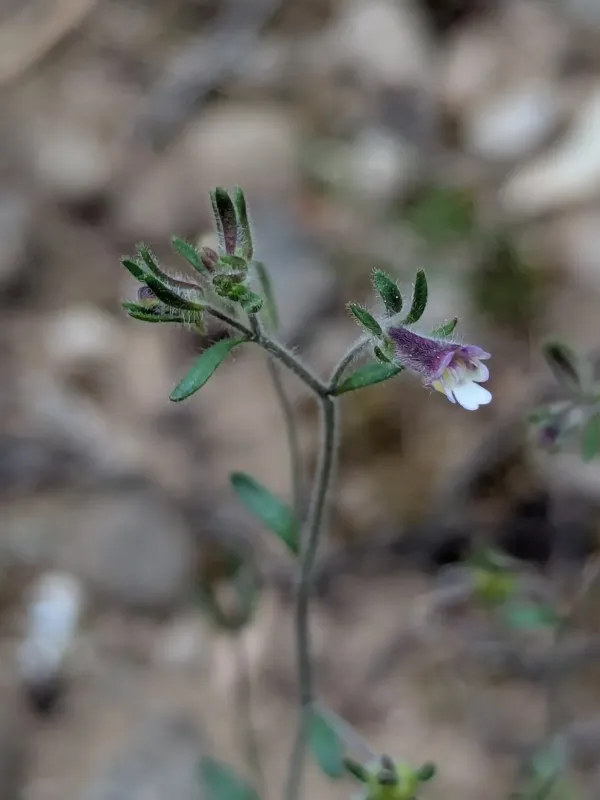
Description
Sowing dates
Chaenorhinum rubrifolium is typically grown as an annual crop, and the sowing process usually begins in mid-spring when soil temperatures consistently reach 10-12 degrees Celsius.
In regions with cooler spring conditions, growers opt for indoor seed starting trays about four to six weeks before the last expected frost date.
Direct sowing into the field requires careful preparation of the surface, as the seeds are quite small and should not be buried deep in the soil.
Light is a critical factor for germination, so a thin layer of fine soil or vermiculite is sufficient to cover the seeds during the sowing operation.
Consistent moisture levels in the seedbed are essential during the first two weeks to ensure uniform emergence and to avoid seedling desiccation.
Growing requirements
Belonging to the Plantaginaceae family, this plant is native to Mediterranean habitats and thrives in open, sunny locations with high solar radiation.
The culture is highly tolerant of poor, stony, and sandy soil conditions, provided that the drainage system is efficient to prevent waterlogging.
Agronomic management involves minimal fertilization, as high nutrient levels can result in excessive vegetative growth at the expense of flower development.
Proper aeration is vital for the health of this species; therefore, planting at an appropriate density is necessary to facilitate air movement through the canopy.
While the plant is drought-tolerant once established, supplemental irrigation during prolonged dry spells will significantly improve the visual quality of the crop.
Main diseases and pests
Root rot is the most significant threat to this crop, usually triggered by compacted soil or over-irrigation that restricts oxygen uptake by the roots.
Pests such as aphids and spider mites can colonize the foliage during hot, dry weather, potentially causing stunted growth and leaf chlorosis.
Fungal diseases like powdery mildew may develop if the humidity levels remain high for extended periods, especially in areas with poor ventilation.
Effective pest management includes regular field scouting and the use of integrated pest management strategies to keep damage below economic thresholds.
Maintaining high hygiene standards by removing infected plant debris helps reduce the primary inoculum sources for subsequent growing seasons.