
Pink turtlehead
Chelone lyonii Pursh
Description
Growing requirements
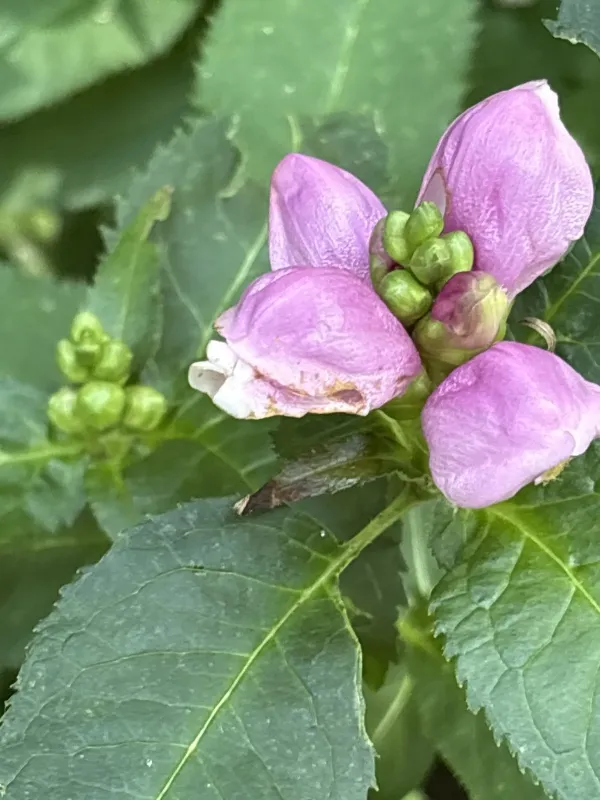
Chelone lyonii, commonly known as pink turtlehead, is a robust herbaceous perennial belonging to the Plantaginaceae family. Native to the southeastern United States, it is highly valued for its unique, turtle-shaped pink flowers and its ability to thrive in moist environments.
The plant features upright, sturdy stems typically reaching 60-90 cm in height. Its foliage is dark green, lance-shaped, and serrated, forming dense clumps that remain decorative throughout the growing season. The root system is stoloniferous, allowing the plant to spread effectively over time.
Ideal conditions for cultivation involve rich, moisture-retentive soils. While the plant can tolerate full sun, it performs exceptionally well in partial shade, provided the soil remains consistently moist. It is an excellent choice for wet spots in the garden, such as stream banks or rain gardens.
Soil preparation should include ample organic matter, such as peat or compost, to maintain fertility and structure. The species prefers slightly acidic to neutral soil pH levels. Consistent moisture is the most critical factor in successful development.
Maintenance includes regular watering, especially during dry spells, and applying mulch around the base to keep the roots cool. Pruning of dead stems should be performed in late winter or very early spring to encourage vigorous new growth.
Main diseases and pests
Chelone lyonii is generally resistant to most common plant diseases. Its tough, slightly bitter leaves discourage many pests, making it a relatively low-maintenance ornamental crop for commercial and private gardens.
In conditions with poor air circulation or excessive humidity, powdery mildew may develop. Management involves proper spacing of plants and the application of appropriate fungicides if symptoms appear.
Slugs and snails are the most significant threats, as they may feed on young leaves and emerging buds in damp conditions. Using physical barriers or bait is recommended to protect the young foliage in the spring.
Occasional infestations of aphids may occur on the soft growth tips. If the infestation is significant, insecticidal soaps or neem oil applications are effective control measures.
Sanitation practices, such as removing fallen leaves and pruning away infected parts, significantly reduce the risk of recurring pest or disease issues throughout the growing cycle.