
Red turtlehead
Chelone obliqua L.
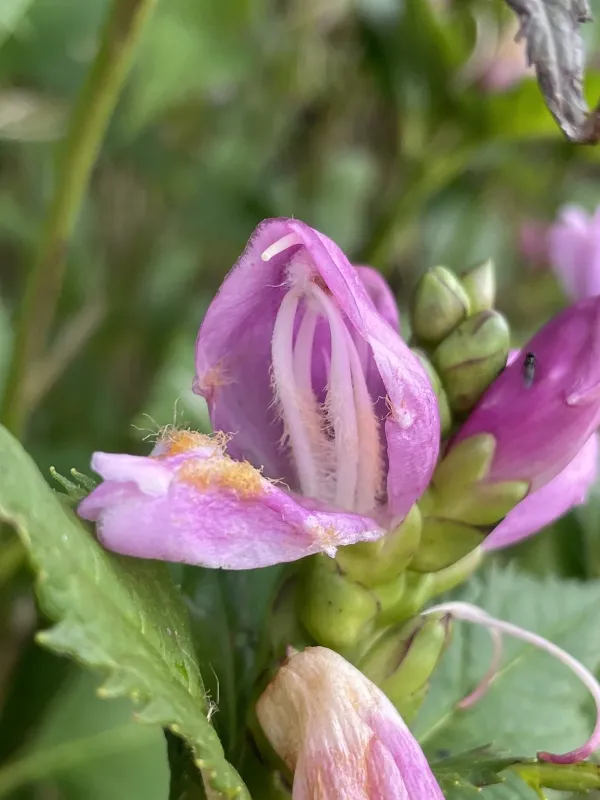
Description
Sowing dates
Sowing seeds of Chelone obliqua for seedlings is usually planned for late winter or early spring, approximately in February or March. This allows young plants to strengthen before transplanting into open ground.
For successful germination, seeds require stratification for 4–6 weeks at low temperatures. This simulates natural winter conditions and significantly increases the germination rate of the seed material.
Sowing is carried out in a loose substrate, maintaining moderate soil moisture. After the appearance of the first true leaves, the seedlings are pricked out into individual containers to develop the root system.
Transplanting seedlings to a permanent location is performed after the danger of late frosts has passed. The optimal time is late May or early June, when the soil is well-warmed.
During vegetative propagation, division of the bush is carried out in spring or autumn. This method is preferred for preserving varietal characteristics and obtaining adult plants in a shorter time frame.
Growing requirements
Chelone obliqua (Red turtlehead) belongs to the Plantaginaceae family and is a herbaceous perennial native to the humid regions of North America.
For optimal development, the crop requires humus-rich, constantly moist, but well-drained soils. The plant is extremely sensitive to substrate drying.
The culture prefers partial shade areas. In southern regions, direct sunlight can cause leaf scorch and root system overheating, which negatively affects the plant's decorative value.
An important aspect is protection from strong winds, as tall flower stems can lodge. When planting in open areas, it is recommended to install supports for the bushes.
The plant has high winter hardiness. It is able to withstand significant negative temperatures; in most cases, covering is required only in snowless winters.
Main diseases and pests
Chelone obliqua has natural immunity to many diseases, however, with excessive watering and water stagnation, fungal infections of the roots and the root system are possible.
Sometimes powdery mildew is observed on leaves, which occurs in unfavorable microclimates with high air humidity and poor air circulation within the plantings.
Among pests, the greatest danger is posed by slugs and snails, which damage tender leaf blades at the beginning of the vegetative period, especially in rainy weather.
To prevent the spread of pests, timely weeding and mulching of the root zone are recommended, which makes it difficult for mollusks to reach the crop.
When signs of fungal infections are detected, treatments with systemic fungicides are effective, as well as adjusting the watering regime and thinning out overly dense plantings.