
Chaenorhinum origanifolium
Chaenorhinum origanifolium
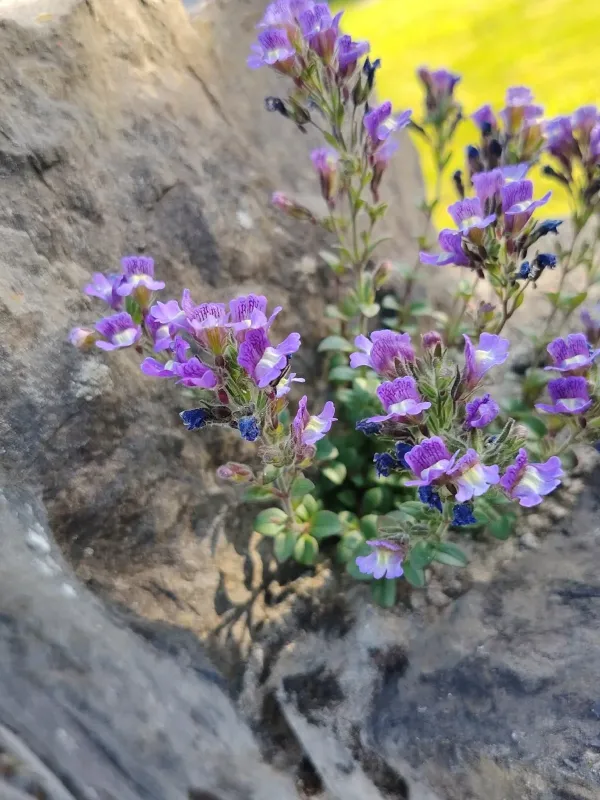
Description
Sowing dates
Sowing the seeds of Chaenorhinum origanifolium is typically carried out in early spring, using a greenhouse or indoor seed tray for better temperature control.
The seeds are minute and must be surface-sown onto a fine, damp seed-starting mix, barely covering them with a thin layer of sand or vermiculite.
Providing a consistent temperature of about 18 to 20 degrees Celsius is essential for successful germination, which usually occurs within two to three weeks.
Outdoor direct sowing is possible in regions with mild climates, but should be delayed until the danger of hard frosts has completely passed in late spring.
For established gardens, the plant often propagates itself via seeds, making it a very low-maintenance choice for permanent rock garden displays.
Growing requirements
Belonging to the Plantaginaceae family, this species is native to the rocky, mountainous regions of Southwestern Europe, adapting well to sparse conditions.
The plant thrives in full sun exposure, which is necessary to maintain its compact growth habit and produce an abundant display of snapdragon-like flowers.
Soil quality should be gritty, well-draining, and slightly alkaline; avoid heavy clay soils that retain moisture and threaten the plant's health.
As a drought-tolerant perennial, it is exceptionally well-suited for stone walls, crevice gardens, and elevated flower beds where drainage is naturally excellent.
Maintenance is minimal, but light pruning after the first flush of flowers can encourage a second wave of blooms later in the growing season.
Main diseases and pests
The primary concern in cultivating this plant is waterlogging, which quickly causes root rot and sudden wilting of the stems during the rainy season.
Poor air circulation around the base of the plant can lead to the development of powdery mildew, especially if humidity levels remain consistently high.
Aphids can occasionally colonize the soft, new growth of the flowering stems, necessitating the use of insecticidal soap or biological controls.
Slugs and snails may attack young seedlings, necessitating protective measures such as copper tape or physical barriers during the early growth stages.
Maintaining a clean growing area by removing decaying foliage helps prevent the onset of fungal diseases and ensures optimal plant vitality.