
Chaenorhinum grandiflorum
Chaenorhinum grandiflorum
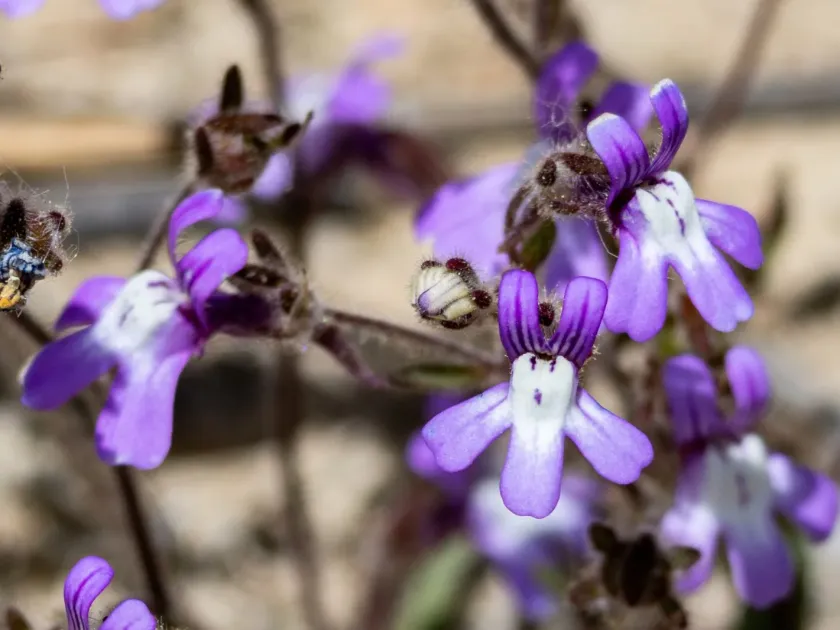
Description
Sowing dates
Chaenorhinum grandiflorum is primarily propagated by seeds sown in late winter or early spring in a greenhouse or indoors. The seeds are very small and should be sown on the surface of well-drained, sterile potting mix.
Light is essential for successful germination, so the seeds should not be covered with a thick layer of soil. Covering the tray with clear plastic or glass helps maintain the necessary humidity levels during the germination phase.
Seedlings typically emerge within 10 to 20 days. Once they reach a size that is easy to handle, they are transplanted into individual pots to encourage stronger root development before being hardened off.
Direct sowing in the garden is possible in late spring once the threat of frost has passed. Ensure the soil is fine-textured and clear of weeds to provide the best start for the germinating seeds.
Maintaining consistent moisture is vital during the early weeks, but once the plants are established, they become more tolerant of drier conditions. Proper spacing is crucial to prevent overcrowding.
Growing requirements
This species belongs to the Plantaginaceae family and is native to Mediterranean mountain regions. It thrives in poor, rocky, and alkaline soils that provide excellent drainage, reflecting its natural habitat.
Full sun is a strict requirement for Chaenorhinum grandiflorum. In shaded conditions, the plants become leggy and produce significantly fewer flowers, which diminishes their ornamental value.
Watering should be managed carefully, as the plant is sensitive to waterlogging. It performs best when allowed to dry out slightly between waterings, mimicking the conditions of its native alpine-like environment.
The plant does not require high levels of nutrition. Excessive fertilization, particularly with nitrogen, can lead to vegetative overgrowth and poor blooming, which is the opposite of the desired effect.
Good air circulation is necessary to keep the plant healthy. When growing in containers or rock gardens, ensure there is enough space between specimens to prevent the accumulation of moisture around the base.
Main diseases and pests
Root rot is the most common issue, usually triggered by waterlogged soil. This can be prevented by adding extra grit or perlite to the potting mix to ensure rapid drainage.
Aphids can be a problem during the warmer months, clustering on new growth and flower buds. Integrated pest management, such as encouraging natural predators, is often sufficient for small populations.
Powdery mildew may occur if the plants are situated in areas with poor ventilation and high humidity. Proper spacing and avoiding overhead watering at night are effective preventive strategies.
Slugs and snails can cause damage to seedlings and young leaves during damp weather. Using physical barriers or organic bait can protect young plants from significant foliage loss.
Spider mites might infest the plant during hot, dry spells, causing the leaves to lose color. Regular monitoring and misting can discourage them, or insecticidal soaps can be used for outbreaks.