
Black pepper
Piper nigrum L.
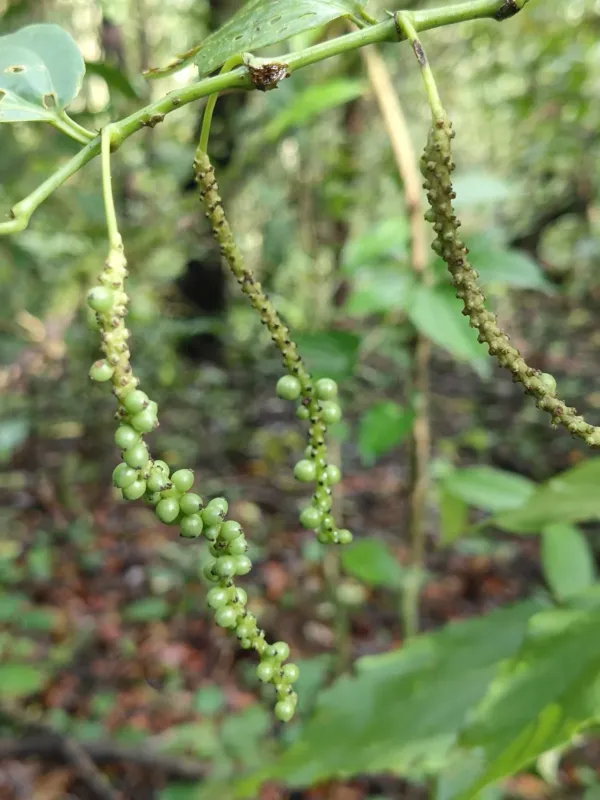
Description
Sowing dates
Black pepper is typically propagated through vegetative methods, primarily using stem cuttings. Cuttings taken from lateral branches are preferred because they demonstrate better potential for fruiting and establishing a balanced canopy.
The planting process is usually scheduled to coincide with the onset of the monsoon season. High humidity and consistent soil moisture during this period are critical for ensuring that cuttings successfully develop a root system.
In organized plantations, cuttings are planted in prepared pits measuring approximately 50x50x50 cm. These pits are filled with a nutrient-rich mixture of topsoil, compost, and organic matter to support early growth stages.
As black pepper is a climbing vine, establishing support systems is mandatory. Standard practice involves planting host trees or installing sturdy poles adjacent to each vine to provide necessary vertical structure.
Proper spacing between plants, typically ranging from 2 to 3 meters, is essential to maintain airflow. This prevents the overcrowding of vines, which could otherwise facilitate the rapid spread of diseases in humid environments.
Growing requirements
Black pepper (Piper nigrum L.) is a tropical perennial vine belonging to the Piperaceae family. It thrives in high-temperature environments and requires a steady climate to achieve optimal productivity.
The ideal temperature for growth ranges between 20°C and 30°C. Extreme temperature fluctuations, particularly cold snaps below 15°C, can significantly inhibit the metabolic activities of the plant and delay maturation.
The plant requires deep, fertile soils with excellent drainage properties. While black pepper tolerates a range of soil types, sandy loams and red lateritic soils with a pH between 5.5 and 7.0 are considered optimal.
Water availability is a major factor, as the crop requires an annual rainfall between 2000 mm and 2500 mm. In regions where rainfall is erratic, irrigation systems are necessary to maintain consistent soil moisture.
Regarding light, black pepper prefers partial shade. Excessive exposure to direct, intense sunlight can lead to leaf scorching, meaning that management of canopy cover or the use of shade trees is vital for plant health.
Yield
Plants generally begin to yield a harvest 3 to 4 years after planting. Productivity tends to increase gradually, reaching its peak when the vine is between 7 and 8 years old, and remains stable for several years.
The economic lifespan of a black pepper vine is roughly 15 to 20 years, depending on the quality of maintenance and site conditions. After this period, productivity typically declines, necessitating replanting.
Yield is highly dependent on effective nutrient management and the structural integrity of the supports. A well-managed hectare of black pepper can produce between 2 to 4 metric tons of dried berries per year.
Harvesting is labor-intensive and is performed when berries begin to change color from green to a yellowish or pale red hue. This stage indicates the peak concentration of essential oils and piperine.
Post-harvest processing involves separating berries from the spikes and drying them under the sun. This drying process is what causes the skin to shrivel and turn black, resulting in the final spice product.
Main diseases and pests
The most devastating disease affecting the crop is 'quick wilt', caused by the soil-borne pathogen Phytophthora capsici. It attacks the root system and can wipe out entire plantations if not managed.
Root-knot nematodes are significant pests that impede water and nutrient uptake. Their presence results in stunted growth, yellowing foliage, and reduced yields, often requiring integrated pest management (IPM) strategies.
Anthracnose, a fungal disease, frequently affects the leaves and berries, particularly during prolonged periods of wet weather. Symptoms include dark, necrotic lesions that significantly reduce the quality of the spice.
Various sucking insects, such as aphids and scale insects, feed on the sap of young shoots and leaves. These pests not only weaken the plant but can also act as vectors for viral diseases within the plantation.
To mitigate these threats, farmers prioritize the use of certified disease-free planting material, maintaining optimal hygiene, and ensuring that drainage systems are efficient to prevent stagnant water.