
Cubeb
Piper cubeba L. f.
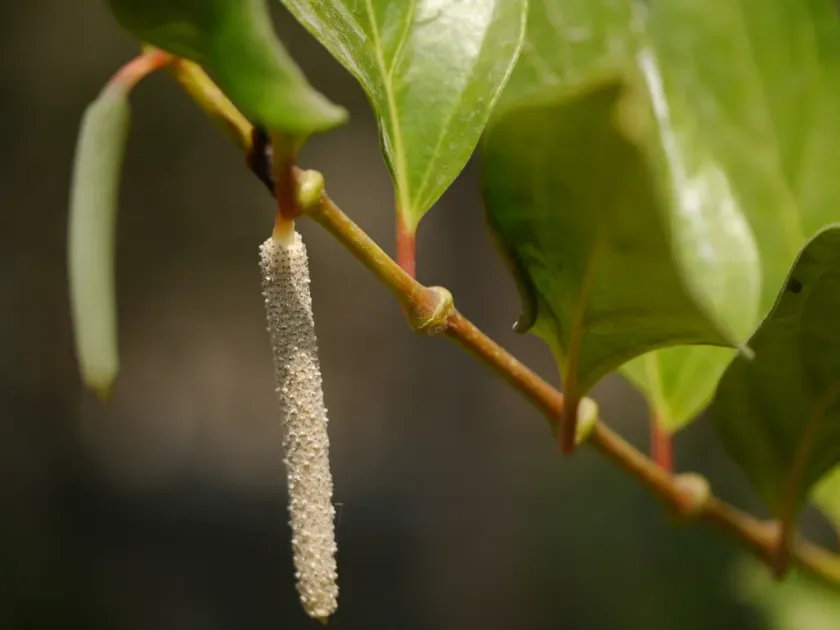
Description
Sowing dates
Propagation of Cubeb (Piper cubeba) is typically performed through vegetative methods, primarily using cuttings from healthy, mature vines. This ensures that the new plants retain the specific aromatic characteristics and disease resistance of the parent plant.
The optimal time for planting cuttings is at the onset of the rainy season. High atmospheric humidity during this period facilitates rapid rooting and reduces stress on the young cuttings as they adapt to their new environment.
Seed-based propagation is possible but less common in commercial farming due to the slow initial growth rate and the need for careful management in nurseries. Seeds require high moisture and warm temperatures to germinate, followed by a transition to shaded nursery beds.
Since Cubeb is a climbing vine, supports must be established simultaneously with planting. Using living trees or robust trellises is a standard practice to provide the necessary vertical structure for the plant to thrive and receive optimal exposure to light.
Planting density is carefully planned to balance space for the vines with proper air circulation. A spacing of 2 to 3 meters is generally recommended to allow sufficient room for the canopy development while maintaining accessibility for management and harvesting tasks.
Growing requirements
Cubeb is a member of the Piperaceae family, originating from the tropical regions of Southeast Asia. It requires a stable, warm climate throughout the year, with temperatures consistently between 25 and 30 degrees Celsius, and high humidity levels.
The soil must be fertile, well-draining, and rich in organic matter. Loamy soils are ideal, as they retain enough moisture to support the plant's needs while preventing the waterlogging that is detrimental to the health of the root system.
Cubeb prefers moderate, filtered sunlight, mimicking the light conditions of the forest floor and understory. Direct, harsh sunlight can cause leaf scorching and disrupt the plant's metabolic processes, making shade management a critical component of cultivation.
Annual precipitation should be high, ideally above 2000 mm. In regions with distinct dry seasons, irrigation systems are essential to maintain soil moisture and ensure that the plant continues to produce high-quality flowering spikes throughout the year.
Protection from strong winds is necessary to prevent physical damage to the delicate stems and leaves. Integrating the crop into agroforestry systems provides natural windbreaks and fosters a stable microclimate conducive to the plant's long-term health.
Yield
Commercial production of Cubeb typically begins when the plants reach their 3rd to 5th year of growth. The yield stabilizes as the vines mature, reaching peak productivity between the 7th and 10th years, provided they receive consistent agricultural care.
A mature, healthy vine can yield approximately 1 to 2 kilograms of dried berries annually. The production volume is significantly influenced by the level of maintenance, the quality of fertilizer applied, and the plant's exposure to light and water.
Selective pruning is an essential practice to boost yield, as it encourages the formation of new flowering branches. Pruning ensures the vine does not become overgrown with purely vegetative foliage, focusing the plant's energy on fruit production instead.
Modern breeding programs are focused on enhancing the essential oil content of the berries. High-quality Cubeb is prized for its specific chemical profile, which is highly sought after in the pharmaceutical, cosmetic, and culinary industries globally.
The post-harvest stage is a significant factor in yield efficiency. Proper drying techniques ensure that the berries retain their quality, color, and aromatic properties, which ultimately determines the market value of the harvest.
Main diseases and pests
Fungal diseases, particularly those affecting the root and stem, are the most significant threat to Cubeb plantations. Phytophthora species can thrive in poorly drained soils, leading to rapid vine decline if not controlled through proper water management.
Insects like mealybugs and scale insects pose a constant threat by feeding on the sap of the vine. These pests can stunt growth and weaken the plant, making it more susceptible to secondary viral or fungal infections that are difficult to eradicate.
Nematodes residing in the soil can cause severe damage to the root system, hindering the plant's ability to absorb water and nutrients. Crop rotation and the use of healthy, nematode-free planting stock are essential preventive strategies.
Weeds compete for resources, particularly in the initial stages of establishment. Regular weeding and the application of organic mulch help maintain a clean growing area and suppress the growth of competitive invasive plants near the base of the vines.
Integrated pest management (IPM) is the most effective approach for Cubeb cultivation. This involves maintaining high sanitation standards, fostering natural predators, and using targeted, environmentally safe treatments when necessary to protect the crop.
Harvesting
Harvesting Cubeb requires careful manual labor because the spikes do not ripen simultaneously. Workers must periodically inspect the vines and pick only those spikes that have reached the required size but remain green, ensuring consistent quality.
Once harvested, the berries must be spread out in thin layers to dry under the sun. This drying process is crucial, as it allows for natural fermentation that develops the distinct spicy and woody aroma characteristic of high-quality Cubeb.
Drying can take several days depending on weather conditions. If the climate is too humid, mechanical drying facilities are used to ensure that the moisture content is reduced to a safe level, preventing mold growth during long-term storage.
Post-drying, the berries are cleaned and sorted to remove stems, leaves, and other impurities. This cleaning process is vital for meeting international export standards and ensures that the final product reaches the consumer in optimal condition.
The finished product is stored in airtight containers to preserve its volatile essential oils. Cubeb should be kept in cool, dry, and dark conditions to prevent oxidation and loss of flavor, ensuring a long shelf life for international trade.