
Peperomia abyssinica
Peperomia abyssinica
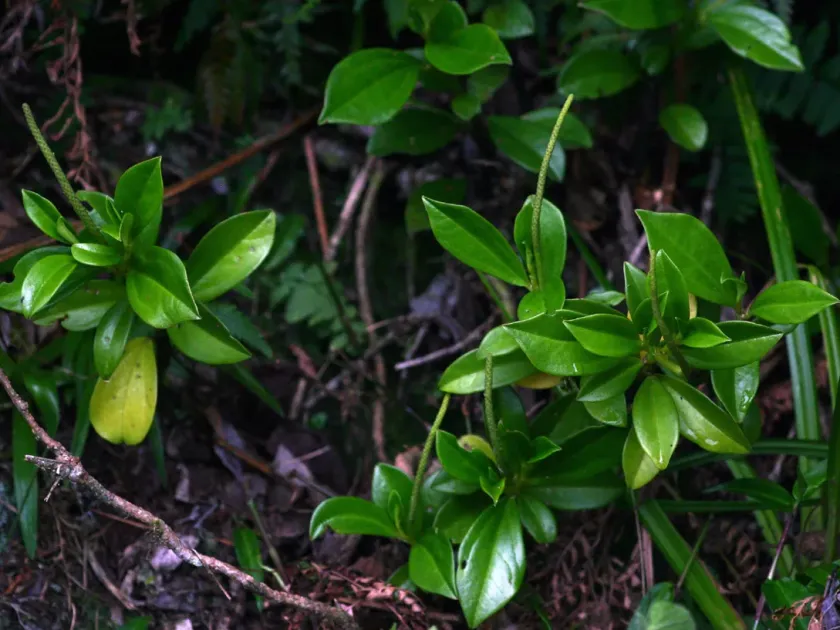
Description
Growing requirements
Peperomia abyssinica is a perennial herb belonging to the Piperaceae family. Native to the tropical highlands of East Africa, particularly Ethiopia, this plant is well-adapted to environments with consistent moisture and dappled sunlight, often found in dense forest understories.
Botanically, this species is recognized for its succulent-like properties, featuring thick, fleshy stems and leaves that allow it to retain water. This adaptation makes it resilient, although it lacks the extreme drought tolerance of true desert succulents.
Optimal growth is achieved in temperatures ranging from 18°C to 24°C. The plant is sensitive to thermal shock, so it should be kept away from cold drafts, air conditioning vents, and heating elements that could cause foliage drop or stunting of the growth.
The substrate must be exceptionally well-draining. A mix consisting of peat, pine bark, and perlite is ideal, as it ensures that the roots receive adequate oxygen while retaining just enough moisture to sustain the succulent foliage throughout the growing season.
Light requirements involve bright, indirect light. While the plant can tolerate lower light levels, its color intensity and compact growth habit are best preserved when it receives a moderate amount of filtered sunlight, preventing the stems from becoming leggy.
Main diseases and pests
Root rot caused by overwatering is the most significant threat to the health of Peperomia abyssinica. When soil remains waterlogged, pathogens such as Pythium and Phytophthora quickly compromise the root system, often leading to rapid plant decline.
Spider mites are the most common pest, especially in environments with low relative humidity. These tiny pests feed on the underside of the leaves, causing stippling and yellowing, which significantly reduces the plant's aesthetic and physiological performance.
Mealybugs can also infest the plant, hiding in the leaf axils. Regular inspections are necessary to detect early signs of these pests, as they can multiply rapidly and secrete honeydew, which leads to the growth of unsightly sooty mold on the leaf surfaces.
Cultural management, including avoiding overhead watering and ensuring proper air circulation, is the best primary defense against fungal and bacterial leaf spots. Keeping the foliage dry helps inhibit the conditions required for these pathogens to thrive.
When chemical control is necessary, soft-soap solutions or systemic horticultural oils are preferred to protect the delicate foliage from potential phytotoxicity. Always test any treatment on a small portion of the plant before applying it to the entire specimen.