
Japanese pokeweed
Phytolacca japonica
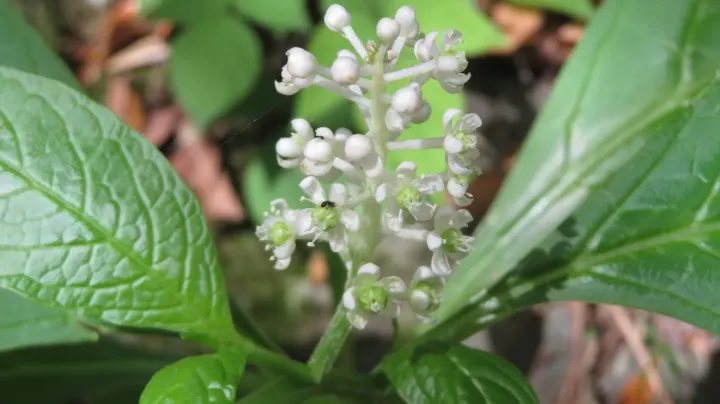
Description
Sowing dates
Sowing of Japanese pokeweed seeds is primarily conducted in late autumn for natural stratification or in early spring after pre-treatment. The seeds have a hard seed coat, so scarification or soaking in growth stimulants is highly recommended to improve germination rates significantly.
Seeds should be planted at a depth of 1.5–2 centimeters. Maintaining consistent soil moisture is crucial throughout the germination period, as the crop is sensitive to dry conditions during its initial development stages.
When starting in nurseries, sowing is best performed in late March. This ensures that seedlings develop a robust root system before being transplanted to their permanent outdoor location. Young plants must be protected from direct sunlight immediately after transplanting.
Spacing between individual plants should be at least 60–80 centimeters. Because Japanese pokeweed expands rapidly, dense planting often results in reduced yield and lower quality of the raw material due to poor air circulation.
For permanent cultivation, select areas with loose, fertile soil. The crop is a long-lived perennial and can thrive in the same location for up to a decade without requiring frequent field renewal.
Growing requirements
Japanese pokeweed belongs to the Phytolaccaceae family and prefers areas with good sunlight exposure, although it can tolerate light shading during the peak heat of the day.
The crop requires fertile soil conditions; loams or rich chernozem with a neutral to slightly acidic pH are ideal. The plant is highly intolerant of waterlogging in the root zone, making proper drainage an essential requirement for successful production.
In regions with harsh winters, the plant requires covering with organic mulch such as peat or compost. Since the aerial parts die back annually, the rootstock needs protection against deep soil freezing to ensure survival.
Regular irrigation is a critical development factor during dry spells, especially during the active growth phase and the onset of flowering, as this directly determines the final volume of green biomass produced.
The plant responds positively to complex mineral fertilization, typically applied in two stages: early spring to stimulate shoot development and pre-budding to enhance the accumulation of bioactive compounds within the tissues.
Yield
The yield of Japanese pokeweed comprises both the rootstock and the aerial biomass, both of which are utilized in pharmaceutical industries and herbal medicine applications.
The rootstock is considered the most valuable raw material, with active ingredient concentration reaching its peak by the third or fourth year of the plant's life. Industrial harvesting is scheduled strictly after the growing season ends.
With proper agronomic practices, a significant volume of commercial product can be harvested per hectare. However, exact figures vary greatly depending on soil composition and the specific regional climate conditions.
The dry mass yield of the roots is typically around 20–25 percent of the fresh weight, a factor that must be accounted for during the planning of post-harvest processing cycles.
To maintain high productivity, it is recommended to periodically rejuvenate the plantation by dividing the older rootstocks, which prevents natural soil depletion and keeps the crop vigor at a high level.
Main diseases and pests
The primary threats to Japanese pokeweed are root rot diseases, which occur when water management is neglected and the soil remains overly saturated during the spring transition.
The plant possesses high natural resistance to most pests due to the presence of specific alkaloids and saponins, which make its tissues unpalatable for the majority of insects and herbivores.
In rare instances, slug infestation may occur during rainy summer periods, damaging young leaves and shoots, which can slightly affect the aesthetic quality and marketability of the foliage.
Disease prevention is achieved through strict crop rotation, timely weeding between rows, and the thorough removal of plant debris in the autumn to prevent the buildup of pathogens in the topsoil layer.
If severe pest infestation occurs, biological insecticides are permissible. However, the use of systemic pesticides should be avoided if the crop is intended for medicinal or pharmaceutical use.
Harvesting
Harvesting of the aerial parts is performed during the peak flowering period, when the concentration of beneficial substances in the leaves and flower spikes reaches its maximum potential for drying.
The roots of Japanese pokeweed are excavated in the autumn, after the stalks have naturally withered, which indicates that nutrients have migrated fully into the underground parts for winter dormancy.
The root extraction process requires care, as the structures are brittle and susceptible to mechanical damage, which can degrade quality and promote premature decay during storage.
The harvested raw material must be thoroughly cleaned of soil, washed in running water, and cut into fragments before being dried in well-ventilated areas at temperatures not exceeding 45 degrees Celsius.
Finished raw material should be stored in dry, dark conditions using breathable paper or cloth bags, ensuring protection from direct sunlight to preserve the pharmacological integrity of the product.