
Trichostigma peruvianum
Trichostigma peruvianum
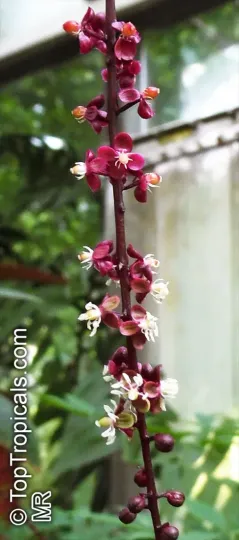
Description
Growing requirements
Trichostigma peruvianum is a perennial woody vine belonging to the Phytolaccaceae family. It is recognized for its vigorous growth habits and its natural classification as a climbing plant within tropical ecosystems.
The plant originates from the tropical regions of Central and South America. It typically thrives in humid forest habitats, often occupying forest edges or riparian zones where light availability is abundant.
To cultivate this species successfully, growers must maintain high temperatures and high ambient humidity. Since it is highly sensitive to frost, it is exclusively suited for greenhouse or conservatory production in non-tropical climates.
Soil requirements involve a well-drained, nutrient-rich substrate with an acidic to neutral pH level. Proper drainage is essential to prevent waterlogging, which the root system cannot tolerate under any conditions.
Economically, the species is investigated for its pharmacological properties, particularly in the production of botanical compounds, and is used as a specialty ornamental plant in botanical garden collections.
Main diseases and pests
Common pests affecting Trichostigma peruvianum under controlled conditions include spider mites and mealybugs, which thrive in protected greenhouse environments.
Fungal diseases, such as leaf spot and root rot, are frequently associated with improper irrigation practices and poor ventilation within the growing environment.
Integrated pest management strategies should focus on maintaining adequate airflow and utilizing biological controls to reduce chemical dependency.
Regular monitoring of foliage is recommended to catch the early stages of infestation before pests can cause significant structural damage to the vines.
Sanitation practices, including the removal of dead or decaying plant material, are vital to minimize the risk of pathogen outbreaks in dense planting scenarios.