
Trichostigma octandrum
Trichostigma octandrum
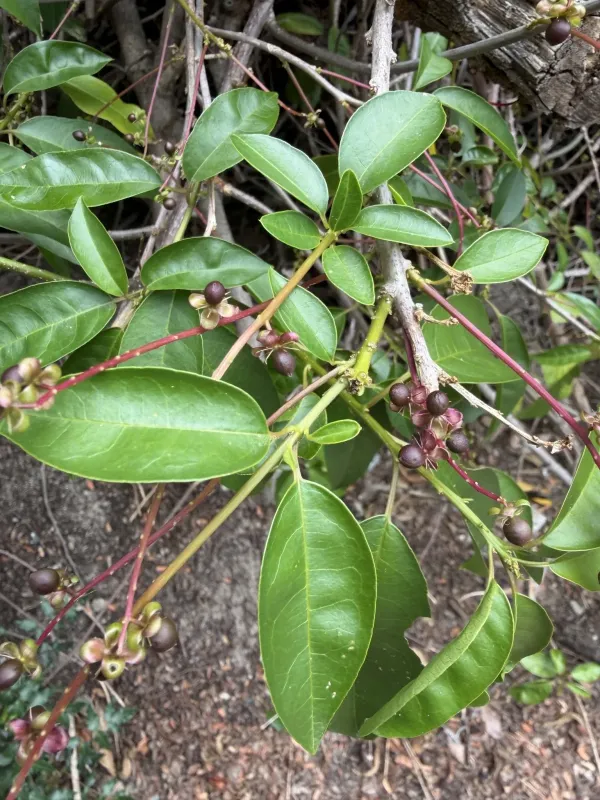
Description
Growing requirements
Trichostigma octandrum, commonly known as basket withe, is a perennial semi-shrub or scandent vine belonging to the Phytolaccaceae family. It is native to the tropical regions of the Americas, where it thrives in humid habitats and forest edges.
This crop requires a tropical climate with consistent temperatures and high levels of atmospheric humidity throughout the year. It exhibits significant shade tolerance, allowing it to grow successfully under the canopy or in semi-shaded environments.
Cultivation requires well-draining, nutrient-rich soils with a neutral pH balance. The plant is highly sensitive to waterlogging, so soil aeration and effective drainage systems are essential for preventing root-related physiological stress.
Standard agrotechnical practices for this crop involve maintaining soil fertility through organic amendments and ensuring steady moisture levels. In commercial settings, pruning is often employed to encourage denser foliage growth and facilitate the harvesting of plant parts.
The economic utility of Trichostigma octandrum primarily resides in its application in traditional medicine. The plant is known for containing bioactive compounds that exhibit antimicrobial and anti-inflammatory properties, making it a subject of interest for pharmacological research.
Main diseases and pests
The primary threats to this plant are fungal pathogens, specifically those causing root rot and leaf blight. These diseases are exacerbated by poor ventilation and excessively high humidity levels in densely planted fields.
Insect pests, particularly scale insects and spider mites, are common in tropical agricultural environments. Effective pest management strategies focus on monitoring and the application of integrated pest management (IPM) practices to ensure the quality of the raw botanical material.