
Phyllanthus niruri
Phyllanthus niruri L.
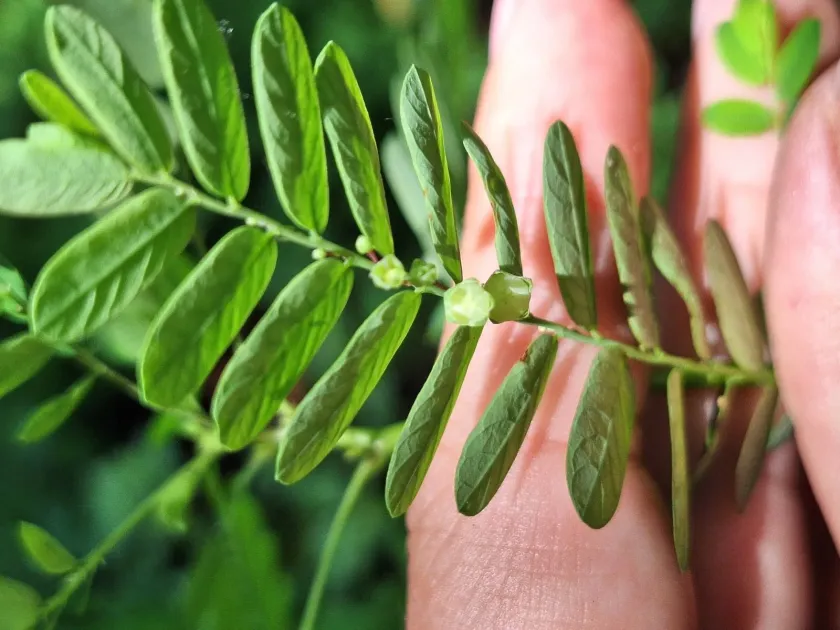
Description
Sowing dates
Sowing Phyllanthus niruri is typically done through seeds in controlled greenhouse environments or tropical regions. The seeds are extremely small, requiring surface sowing in a light, well-draining substrate to ensure proper germination and seedling development.
For successful sprouting, a stable temperature range between +25°C and +30°C is essential. In temperate climates, sowing begins in early spring, allowing seedlings to establish during the warmest months of the year.
Consistent moisture levels are critical during the germination phase, but avoiding waterlogged soil is equally important to prevent fungal pathogens from destroying the delicate sprouts. Uniform moisture is the key to a healthy crop.
When transplanting into open soil, maintaining appropriate plant spacing is necessary to allow for good airflow and sunlight penetration. Overcrowding can lead to stunted growth and reduced leaf quality.
Optimal sowing times are strictly climate-dependent, as the plant is highly sensitive to cold spells and night temperature fluctuations, which can halt its growth entirely if not managed correctly.
Growing requirements
Phyllanthus niruri is an annual herbaceous plant belonging to the Phyllanthaceae family, native to tropical regions of Asia, Africa, and the Americas. It thrives in high-heat environments and requires plenty of direct light.
Soil preferences lean towards light, sandy, or loamy structures with a neutral or slightly acidic pH level. Heavy, compacted soils that do not allow for adequate root aeration are unsuitable and often lead to poor yields.
The plant requires regular irrigation but demands efficient drainage. Maintaining a balanced soil moisture level is vital, as excessive water retention can lead to root rot, the most common threat to this culture.
Sufficient light intensity is crucial for the development of bioactive compounds. Cultivating Phyllanthus in shaded areas significantly decreases its medicinal quality, making it less viable for pharmaceutical production.
Effective weed management is essential during the early stages of growth, as the plant develops slowly. Keeping the plots weed-free ensures that young plants do not struggle for nutrients and light in their early weeks.
Yield
The yield of Phyllanthus niruri biomass depends heavily on the level of agronomic care provided. With optimal fertilization and irrigation regimes, a high yield of dry aerial biomass can be achieved in industrial settings.
The entire aerial part of the plant represents the commercial product. Timing the harvest accurately is vital, as the concentration of active chemical components is at its peak immediately before the flowering stage is fully established.
Applying balanced mineral fertilizers, particularly those rich in potassium, during the pre-flowering stage helps maximize leaf mass. This is a common practice among professional growers looking to enhance harvest volume.
Modern irrigation techniques, such as drip systems, are recommended to provide precise amounts of water and dissolved nutrients directly to the root zone, significantly improving overall productivity compared to traditional irrigation.
Routine maintenance, including thinning and clearing surrounding weeds, keeps the plantation healthy and productive throughout the entire growing season, ensuring consistent quality for extraction processes.
Main diseases and pests
The primary threat to Phyllanthus niruri is root rot, frequently caused by over-irrigation and poor drainage. Once a plant is infected, it can succumb to the disease quickly, potentially damaging large parts of the field.
Pests such as spider mites and aphids are major concerns, as they target the soft leaves of the plant. These infestations not only cause physical damage but also stress the plant, making it more susceptible to further disease.
Powdery mildew can occur in conditions where airflow is restricted and humidity is too high. This fungal issue manifests as a white powdery coating on leaves and reduces the plant's capacity for photosynthesis.
Improper crop rotation can result in the build-up of specific soil-borne pathogens. Adhering to strict rotation intervals of at least three years is highly recommended to maintain soil health for this crop.
Utilizing biological pest control methods is preferred to avoid chemical residues on the final product, which is especially important given the plant's wide use in natural healthcare products.
Harvesting
Harvesting Phyllanthus niruri is optimally performed during the peak flowering phase. At this time, the metabolic activity of the plant ensures the highest concentration of desired phytochemicals in the tissues.
The harvest method involves cutting the aerial parts of the plant at approximately 5–10 cm above the ground. Using sharp, clean tools is vital to prevent damaging the plant's base and to keep the biomass free from soil contamination.
Immediate primary cleaning and sorting are necessary after the harvest. The plant material should be transported to the drying facility without delay to prevent any unwanted microbial fermentation or heat-induced degradation.
Drying must occur in well-ventilated, shaded, and cool environments to preserve the active ingredients. Excessive heat or direct sunlight will degrade the medicinal quality of the plant material during the drying process.
Stored final product must be kept in breathable, moisture-resistant packaging in a dry, dark place. Following these storage protocols ensures that the product maintains its effectiveness for the full duration of its shelf life.