
Phyllanthus cuscutiflorus
Phyllanthus cuscutiflorus
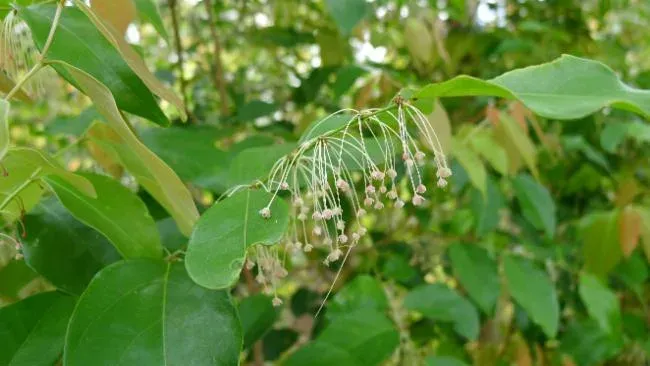
Description
Growing requirements
Phyllanthus cuscutiflorus is a distinctive evergreen shrub belonging to the Phyllanthaceae family. Native to tropical regions of Australia, this plant is characterized by its attractive foliage and unique floral structure, making it a valuable specimen for botanical collections.
The plant thrives in well-drained, fertile soils with a slightly acidic to neutral pH. Proper soil structure is essential to prevent root asphyxiation, as this species requires a balance of moisture retention and effective aeration in the root zone.
Being a tropical species, it requires consistently warm conditions, ideally maintained between 22°C and 28°C. It is intolerant to frost and cold drafts, which can cause significant physiological stress and leaf drop if the plant is not properly shielded.
Adequate water supply is crucial throughout the growing season to ensure robust development. Frequent irrigation should be paired with environmental monitoring to maintain high humidity levels, which mimic the plant's natural native ecosystem.
Regular fertilization with a balanced NPK fertilizer supports healthy vegetative growth. Providing micronutrients during the peak growth season enhances the visual appeal of the foliage and helps the plant maintain a dense and healthy growth habit.
Main diseases and pests
Pest management is a critical aspect of cultivation, as spider mites and mealybugs can colonize the shrub under low-humidity conditions. Early detection and the application of appropriate systemic insecticides are recommended to maintain plant health.
Pathogenic threats include root rot diseases typically caused by poor soil drainage or over-irrigation. Maintaining good hygiene in the planting area and ensuring proper spacing between specimens can significantly reduce the incidence of fungal pathogens.