
Phyllanthus amarus
Phyllanthus amarus Schumach. & Thonn.
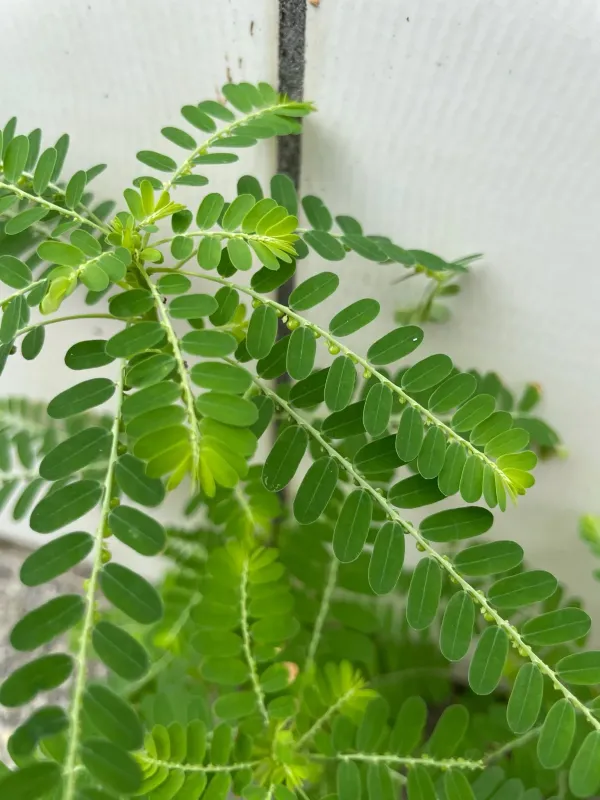
Description
Sowing dates
Phyllanthus amarus is an annual herb belonging to the Phyllanthaceae family. In tropical climates, sowing typically occurs at the onset of the rainy season to ensure optimal soil moisture for seed germination.
Seeds are tiny and benefit from pre-sowing treatments such as short soaking to improve germination rates. Ideal soil temperatures for sprouting range between 25 and 30 degrees Celsius.
In commercial agriculture, seeds are planted in rows spaced 30–40 centimeters apart. Due to their small size, they require shallow planting to allow for sufficient light penetration during the critical germination phase.
Seedlings can also be started in trays for transplantation, which helps in maintaining uniform stand density. This method is particularly useful in areas with inconsistent weather patterns or high weed pressure.
Mulching the seedbed immediately after sowing helps retain surface moisture and prevents the delicate seeds from being washed away. Seedlings generally emerge within 10 to 14 days under suitable conditions.
Growing requirements
The plant thrives in fertile, well-drained loamy or sandy soils with a pH ranging from 5.5 to 7.0. Poor drainage is detrimental, as the root system is highly susceptible to rot in waterlogged conditions.
Phyllanthus amarus requires full sun exposure to achieve vigorous growth and high concentrations of secondary metabolites. Shaded environments tend to produce lanky stems and lower yields of active compounds.
This crop is strictly adapted to tropical and subtropical climates, requiring temperatures between 22 and 35 degrees Celsius. It does not tolerate frost, which can kill the plant instantly.
Regular irrigation is essential during dry spells to maintain consistent biomass production. However, it displays moderate drought tolerance compared to other leafy crops, making it resilient in specific tropical regimes.
Balanced fertilization using organic manure is preferred over heavy synthetic nitrogen applications. Excess nitrogen can lead to rapid succulent growth that is more prone to pest attacks and reduced chemical potency.
Main diseases and pests
Root rot caused by fungal pathogens such as Fusarium and Rhizoctonia is the primary threat, usually associated with over-irrigation or poor soil structure. Proper site selection and drainage management are critical.
Aphids and spider mites are common pests that feed on young, succulent leaves, leading to stunted growth. Integrated pest management strategies, including biological controls, are highly recommended.
Leaf-eating caterpillars can cause significant defoliation if left unchecked. Frequent scouting allows farmers to intervene early, minimizing the need for heavy chemical intervention and preserving organic status.
Powdery mildew is a common issue in areas with high humidity and poor airflow. Managing plant density and ensuring adequate spacing between rows helps mitigate the risk of fungal outbreaks.
Weed competition is most severe during the first month of growth. Mechanical weeding or careful manual hoeing is necessary to ensure the young seedlings are not outcompeted for nutrients and sunlight.
Harvesting
Harvesting is ideally timed at the onset of the flowering stage, when the concentration of medicinal compounds like phyllanthin is highest. This stage ensures the best quality of raw material.
The crop is harvested by cutting the entire above-ground biomass at 3–5 centimeters above the soil level. Mechanical harvesters can be utilized for large-scale operations to optimize efficiency.
Post-harvest, the material must be promptly cleaned of soil and debris. Drying is performed in a shaded, well-ventilated area to prevent degradation of light-sensitive active ingredients.
The temperature during drying must be strictly controlled, ideally kept below 40 degrees Celsius. Excessive heat can destroy the delicate biochemical profile of the herb, rendering it less effective.
Once properly dried, the plant material is brittle and can be easily processed. Final storage should occur in moisture-proof containers to maintain long-term product stability for pharmaceutical use.