
Bischofia polycarpa
Bischofia polycarpa
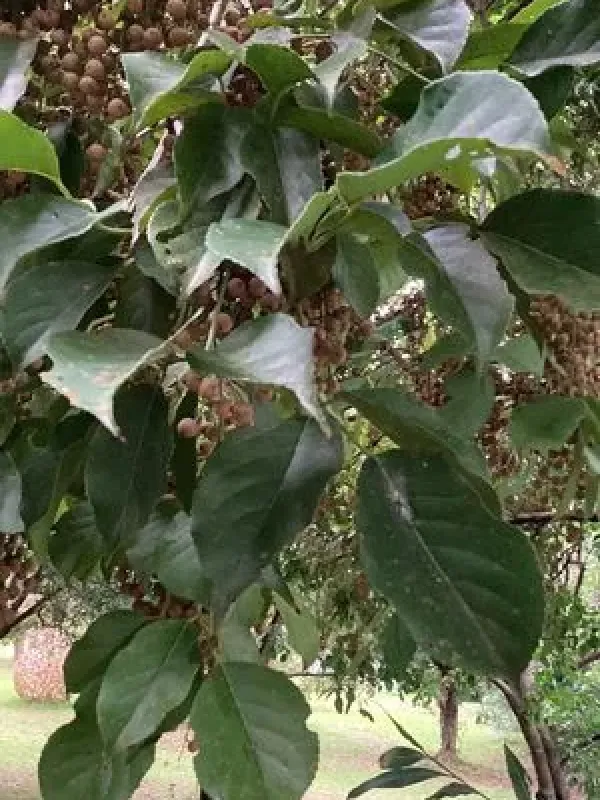
Description
Growing requirements
Bischofia polycarpa, commonly known as bishop wood, is a fast-growing deciduous tree belonging to the Phyllanthaceae family. Known for its rapid development, it can become a large tree with a dense, spreading canopy under favorable conditions.
Native to East and Southeast Asia, this species thrives in humid and subtropical environments. It requires significant rainfall and a warm climate to sustain its aggressive vegetative growth throughout the year.
For successful planting, the soil must be deep, fertile, and well-drained. While the plant appreciates moisture, it does not tolerate waterlogging, which can lead to root degradation and stunted growth in plantations.
Bischofia polycarpa prefers sunny locations, particularly during its sapling stage. It is generally sensitive to freezing temperatures, making it unsuitable for regions with harsh, prolonged winters without proper protection.
Cultivation practices involve maintaining adequate spacing between trees to ensure optimal airflow and light exposure. Consistent monitoring of soil nutrients and pH levels is recommended for plantations aimed at maximizing timber yield.
Yield
The primary economic use of Bischofia polycarpa is the production of durable timber. Its wood is highly valued for its strength and resistance to decay, making it suitable for furniture manufacturing and construction purposes.
Beyond timber, the tree serves a major role in landscape architecture. Its quick growth and broad shade-producing canopy make it an excellent choice for parks, urban greening, and windbreak planting.
Various parts of the tree, including the bark and leaves, have historically been utilized in local medicine and for the extraction of natural dyes, providing secondary value to growers.
The tree's fruits provide essential resources for local fauna, which helps maintain ecological balance within forest management areas and surrounding agricultural land.
With systematic pruning and fertilization, Bischofia polycarpa demonstrates high biomass productivity, making it a viable option for commercial forestry projects in appropriate tropical and subtropical zones.
Main diseases and pests
Root rot caused by poor soil drainage is the most significant threat to this species. Ensuring that the soil remains aerated is the primary method of preventing these fungal outbreaks.
Leaf-eating insects can cause considerable stress to young saplings during the spring months. Implementing integrated pest management strategies is essential to minimize defoliation and growth retardation.
Poor ventilation within the canopy can lead to fungal leaf spots, which are exacerbated by high humidity levels. Regular thinning of the branches helps improve air circulation and tree health.
Borer insects may attack the trunk, compromising the structural integrity of the wood. Regular inspections are necessary to identify infestation early and prevent long-term damage to the timber quality.
Weed competition is a major challenge during the early stages of establishment. Regular clearing of the area around the base of the tree is required to ensure that the seedling receives adequate nutrients.