
Bischofia javanica
Bischofia javanica
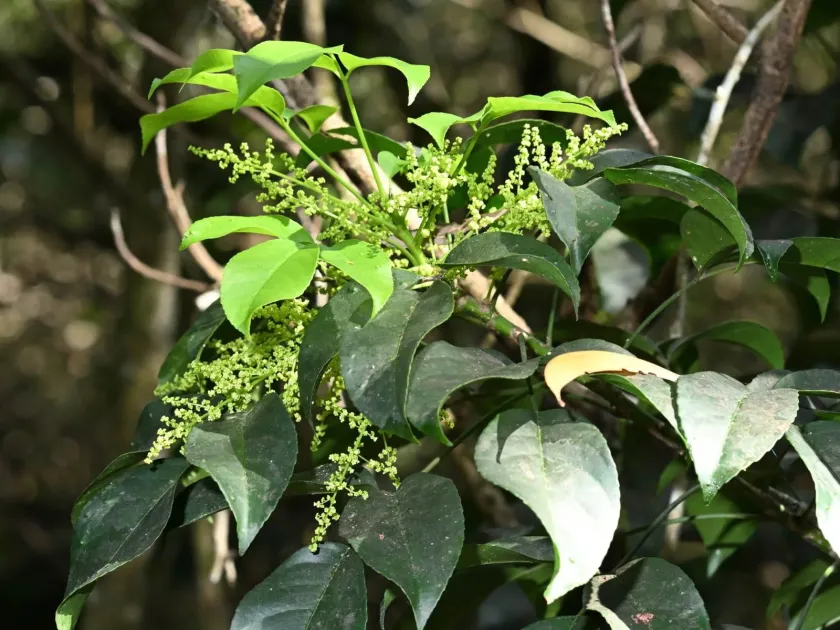
Description
Growing requirements
Bischofia javanica, commonly known as Javan bishopwood, is a large deciduous or evergreen tree belonging to the Phyllanthaceae family. It is recognized for its massive trunk and dense, wide-spreading canopy that provides significant shade.
The species is native to a broad geographical range across tropical and subtropical Asia, including India, China, and the Malay Archipelago. It thrives in high-rainfall areas and is typically found in primary and secondary rainforests.
Soil requirements for optimal growth include deep, nutrient-rich, and well-drained loamy soils. While the tree tolerates a variety of moisture levels, it performs best in riverine habitats where water availability is constant but not stagnant.
The tree requires significant solar radiation to reach its full growth potential. Young saplings show a moderate tolerance to shade, but as they mature, access to full sunlight is essential for healthy development and rapid biomass accumulation.
Agronomic practices for this species focus on site preparation and competition management. Maintaining adequate spacing between trees is crucial to ensure airflow and resource availability, which promotes uniform growth of the timber.
Yield
The primary economic output of Bischofia javanica is its high-quality timber. The wood is renowned for being heavy, durable, and resistant to decay, making it suitable for both indoor and outdoor construction projects.
Common applications for the wood include the manufacture of furniture, flooring, railway sleepers, and structural beams. The reddish-brown heartwood is aesthetically pleasing and is frequently used in high-end cabinetry.
In addition to its timber value, the species is widely used for landscape restoration and erosion control. Its extensive root system stabilizes slopes and helps to prevent sediment runoff in tropical watersheds.
Extracts from the bark and leaves contain tannins and other compounds used in traditional tanning processes and local herbal medicine. The tree also serves as a food source for various bird and insect species.
As a fast-growing species, it is highly favored for reforestation projects in tropical regions. It effectively rehabilitates degraded landscapes by improving soil structure and creating microclimates for other plants.
Main diseases and pests
The health of Bischofia javanica is primarily threatened by fungal pathogens, especially in humid environments where air circulation is restricted. Root rot can occur if soil drainage is compromised.
Insect pests such as wood borers are a significant concern, as they can tunnel through the trunk and cause internal damage, rendering the wood unsuitable for commercial use.
Defoliating insects can cause significant damage to the canopy, particularly in young plantations. Regular scouting is recommended to identify outbreaks early and prevent severe physiological stress to the trees.
Environmental stress, such as extreme flooding or prolonged droughts, can weaken the tree's immune system, making it more susceptible to opportunistic infections and pests.
Integrated pest management strategies, including the maintenance of healthy biodiversity within plantations, are essential to minimize the need for chemical interventions and ensure sustainable timber production.