
White corydalis
Pseudofumaria alba
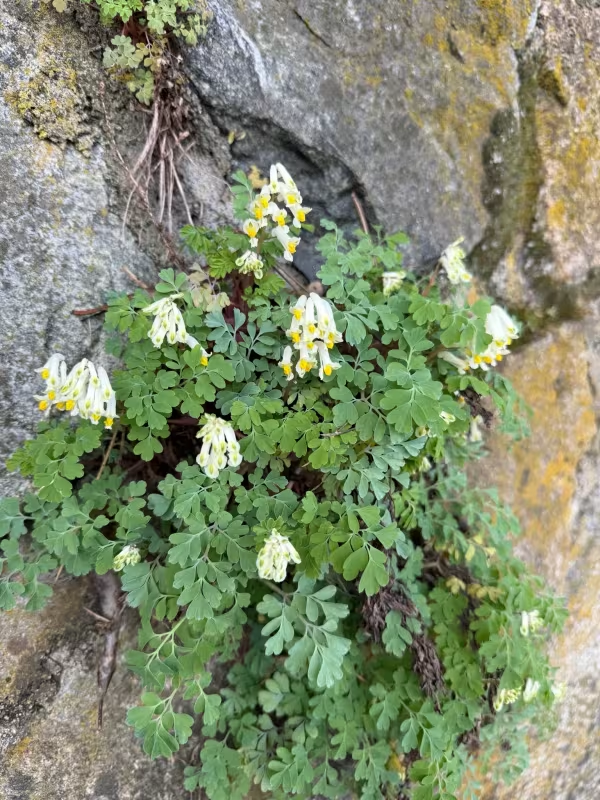
Description
Sowing dates
White corydalis (Pseudofumaria alba) belongs to the Papaveraceae family. While primarily grown as an ornamental plant, successful propagation requires attention to specific seed handling and timing to ensure healthy development.
For outdoor sowing, the most effective time is autumn. Sowing seeds directly into the soil before the first frost allows for natural cold stratification, which is essential for breaking seed dormancy and promoting uniform germination in spring.
In nursery conditions, seeds can be sown indoors in late winter. Using a well-draining, sterile potting mix is crucial to prevent damping-off disease in young seedlings. Consistent moisture should be maintained during the initial stages.
If seeds fail to germinate within a few weeks, transferring the trays to a cooler environment or a cold frame can trigger the necessary physiological processes. Germination is often erratic, so patience is required during the process.
Transplanting young plants to their permanent location should be done carefully to minimize root disturbance. The spacing between plants should be approximately 25 centimeters to allow for sufficient air circulation as the plants mature.
Growing requirements
Originating from the mountainous regions of Southeastern Europe, the white corydalis is well-adapted to cooler climates. It thrives in locations that provide temperate growing conditions and consistent moisture throughout the season.
The plant prefers partial shade and is often used in woodland garden settings. Intense afternoon sun should be avoided, as it can cause the foliage to wither prematurely and significantly shorten the flowering duration.
Regarding soil requirements, this species demands loose, well-draining, and slightly alkaline soil. Soils that are prone to waterlogging or compaction are generally unsuitable and can lead to rapid decline of the plant.
Water management is critical during the active growing season. Regular, light watering is preferable to occasional deep soaking, as the plant does not tolerate standing water around its crown or root zone.
Incorporating organic matter such as leaf mold into the planting hole can improve soil structure and water retention. This cultural practice supports the plant's health and promotes a more vibrant bloom throughout the summer.
Main diseases and pests
White corydalis is generally a resilient plant, but it is not immune to physiological issues or pests. The most frequent threat is root rot, which is almost always a result of poor drainage or excessive irrigation.
Powdery mildew can occur if the plant is grown in areas with poor ventilation or high humidity levels. Maintaining adequate spacing and removing nearby debris can significantly improve airflow and reduce infection risk.
Slugs and snails can cause considerable damage to the soft, delicate foliage of the plant, especially during damp weather. Protective measures like physical barriers or bait can be employed to manage these pests effectively.
Aphids occasionally colonize the tender shoots during periods of rapid growth. While minor infestations may not require intervention, severe cases should be treated with appropriate insecticidal soap or biological control agents.
General hygiene in the garden is essential to prevent the spread of diseases. Clearing away dead plant material at the end of the season reduces the risk of overwintering pathogens that could compromise the crop next year.