
Yellow corydalis
Pseudofumaria lutea
Description
Sowing dates
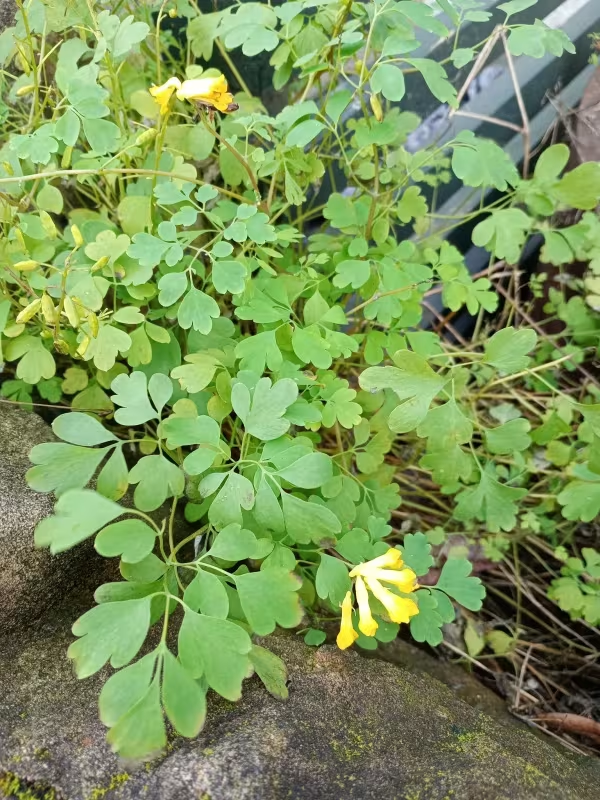
Yellow corydalis (Latin name: Pseudofumaria lutea) is an ornamental herbaceous perennial belonging to the Papaveraceae family, native to the mountains of Southern Europe.
Seeds should ideally be sown in the autumn, as they require a period of cold stratification over the winter months to germinate effectively in early spring.
If spring sowing is preferred, the seeds must be artificially stratified in a refrigerator for at least 6 to 8 weeks to break dormancy and ensure success.
This species is highly prolific and spreads readily through self-seeding, which makes it an excellent choice for naturalizing rock gardens and shaded areas.
Division of mature clumps is an alternative propagation method, which should be performed during the plant's dormant phase to minimize transplant stress.
Growing requirements
The plant thrives best in rocky, limestone-rich soils, reflecting its natural habitat as a cliff-dwelling species in its native mountainous environment.
Although it is adaptable, yellow corydalis prefers partial shade, which protects its delicate fern-like foliage from scorching during the peak of the summer heat.
Excellent drainage is a non-negotiable requirement for this crop; heavy or waterlogged soils are likely to cause root rot and lead to rapid plant decline.
In terms of climate, the species is remarkably hardy and performs well in temperate regions, enduring cold winters without the need for additional protection.
When preparing the site, ensure the substrate is light and aerated, ideally incorporating some grit or gravel to facilitate healthy root system development.
Main diseases and pests
Yellow corydalis is generally considered a low-maintenance plant with high resistance to most common garden diseases, provided site conditions are correct.
The primary threat to the crop in humid environments is fungal rot, which typically develops if soil moisture is too high and drainage is insufficient.
Gastropods such as slugs and snails represent the most significant pest risk, often feeding on tender new growth during wet weather conditions.
Powdery mildew may occur in poorly ventilated areas during periods of high humidity and heat, necessitating prompt removal of affected parts or mild treatment.
Maintaining a clean growing area and ensuring proper air circulation between plants is the best preventative strategy against potential pest infestations.