
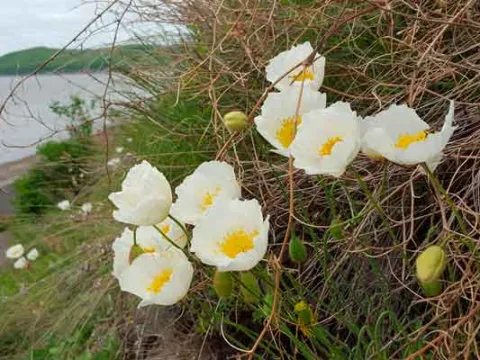
Amur poppy
Papaver amurense
The Amur poppy (Papaver amurense) is a herbaceous plant belonging to the Papaveraceae family. It is a unique, perennial species native to the Far East region, adapted to harsh climate conditions.
What the section contains
Amur poppy
In cultivation, seeds are sown in late autumn or early spring. Because the seeds are extremely small, they require light-textured soil and very shallow sowing depth to ensure successful germination.
Cold stratification is essential for the germination of this species. If sowing in containers, exposing seeds to low temperatures for several weeks significantly improves the uniformity of the sprouting process.
Once seedlings emerge, they should be thinned to prevent overcrowding. This ensures that each plant receives sufficient air circulation, which is critical to preventing fungal issues in the juvenile stage.
The development cycle from seed to mature flowering plant requires a stable moisture level. Over-drying the substrate during the early growth phase often results in the loss of the entire crop.
Amur poppy thrives in well-drained, sandy, or rocky soils. It is naturally adapted to steep slopes and screes, meaning it cannot tolerate waterlogged ground under any circumstances.
Soil pH should remain neutral or slightly alkaline. The plant does not require high levels of nutrients; in fact, over-fertilization can weaken the plant structure and negatively affect its flowering potential.
Exposure to full sunlight is non-negotiable for this species. It is a sun-loving plant that requires maximum solar radiation to develop strong stalks and vibrant flowers characteristic of the species.
The plant is highly resilient to cold temperatures but prefers moderate overall weather conditions. It thrives in areas with a distinct seasonal cycle, allowing it to complete its vegetative dormancy properly.
During the growing season, avoid high humidity around the foliage. Good ventilation is more important than regular soil moisture for mature plants, as it prevents the buildup of humidity-related pathogens.
Downy mildew is the primary fungal threat to the Amur poppy. It is particularly prevalent in greenhouses or gardens where air circulation is poor and humidity levels are excessively high.
Root rot, triggered by poor soil drainage, is a common cause of death for this poppy species. Once root rot symptoms become visible, the plant usually cannot be recovered through chemical treatment.
Aphids and various beetles represent the most significant insect threats. These pests target the buds and flowers, causing stunted growth and preventing proper seed development within the capsules.
Integrated pest management, including the use of neem oil or targeted insecticides, can help keep pest populations below the economic damage threshold without harming the plant's health.
Regular sanitation of the growing site, including the removal of dead plant debris, is recommended to disrupt the life cycles of potential pathogens and maintain a healthy microclimate.