
Argemone pleiacantha
Argemone pleiacantha
Description
Growing requirements
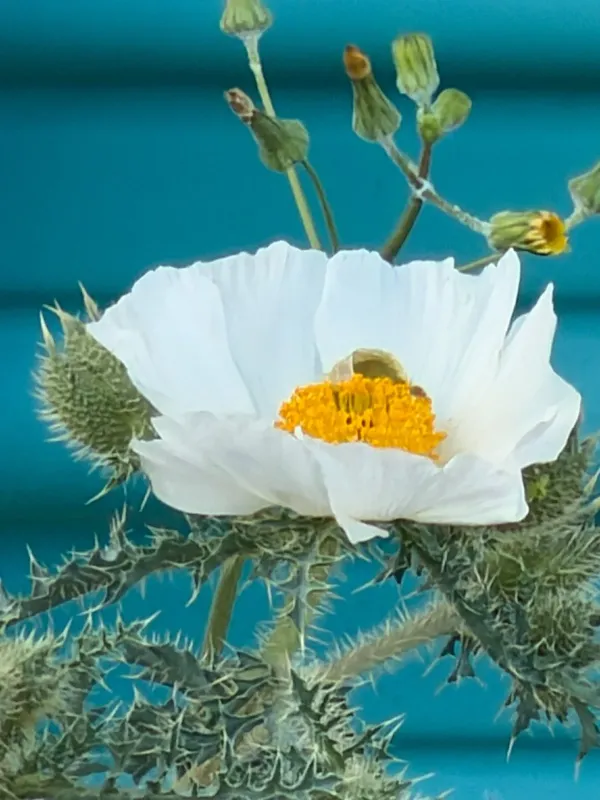
Argemone pleiacantha is a robust herbaceous plant belonging to the Papaveraceae family. It is botanically characterized by its distinct prickly foliage and showy flowers, adapted for survival in harsh, arid landscapes of North America.
This species thrives in well-drained, sandy, or rocky soils that prevent water accumulation. Its root system is deeply anchored, allowing the plant to reach moisture reserves while enduring long periods of atmospheric and soil drought.
Climate requirements include high solar radiation and stable high temperatures throughout the growing cycle. The plant does not tolerate high humidity or prolonged cloudy weather, which can hinder its physiological development.
Cultivation requires minimal intervention once the plants are established. The key to successful growth is selecting an open site with excellent airflow and soil drainage, preventing the environmental conditions that favor soil-borne pathogens.
The plant serves as a unique genetic resource due to its specialized adaptation to desert environments. Its role in modern agriculture is currently focused on niche production, research into medicinal alkaloids, and xeriscaping applications.
Main diseases and pests
Root pathogens are the primary concern for Argemone pleiacantha growers, particularly during the seedling phase. Excessive soil moisture is the leading cause of plant mortality, as it facilitates the rapid spread of fungal rots.
Aphids represent the most significant pest threat, often clustering on the stems and undersides of leaves. Regular scouting is necessary during the pre-flowering stage to manage populations before they cause significant stress to the plants.
The presence of sharp, stiff spines on the stems and leaves acts as a natural physical defense mechanism, effectively deterring most mammalian herbivores and simplifying protection against livestock damage in agricultural settings.
Competition from fast-growing invasive weeds is a critical threat during the first few weeks after sowing. Effective weed management at the early establishment stage is crucial for ensuring the survival and vigor of the crop.
Integrated Pest Management (IPM) practices, including proper drainage maintenance and sanitation of the growing area, are generally sufficient to manage the risks associated with this hardy, desert-adapted species.