
Dendromecon rigida
Dendromecon rigida
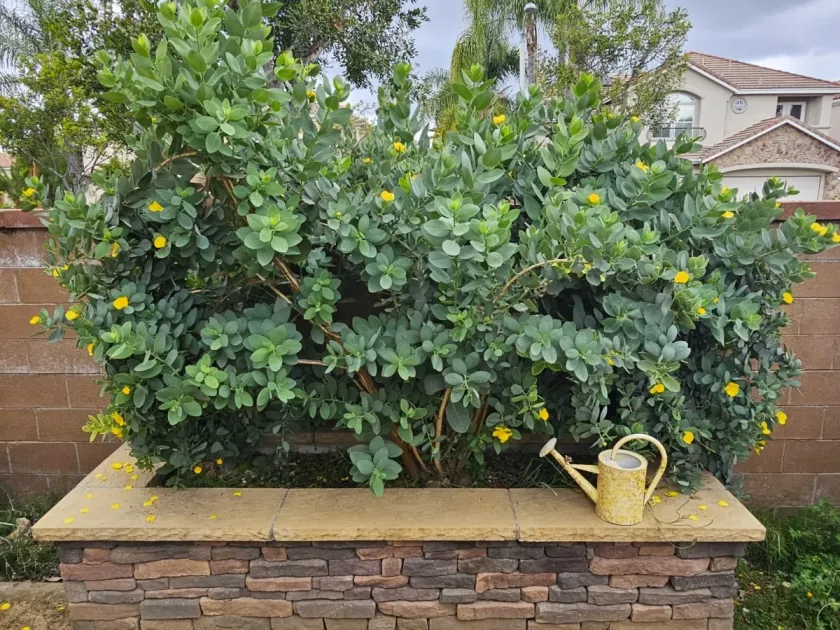
Description
Growing requirements
Dendromecon rigida, commonly known as the bush poppy, is a woody evergreen shrub belonging to the Papaveraceae family. It is native to the chaparral ecosystems of California, where it thrives in rugged, arid landscapes with intense seasonal heat.
The plant requires exceptionally well-draining soil, typically sandy or rocky, to prevent root rot. It is intolerant of heavy, clay-rich soils that retain moisture, as such conditions promote fatal fungal infections within the root zone.
Sunlight exposure is essential for the healthy development of this species. It should be planted in full sun locations where it can receive maximum radiation, which encourages dense foliage growth and abundant flowering during the spring and early summer.
Botanically, the plant features glaucous, leathery leaves and prominent, saucer-shaped yellow flowers that bloom in clusters. It is a long-lived shrub that establishes a deep root system, allowing it to survive long periods of summer drought without irrigation.
The primary use of Dendromecon rigida is ornamental landscaping, specifically within xeriscapes and drought-tolerant gardens. It serves as an excellent structural shrub that adds a vibrant splash of color to Mediterranean-style garden designs.
Main diseases and pests
The primary threat to the health of Dendromecon rigida is root decay caused by poor drainage or excessive artificial watering. Gardeners must prioritize the site's drainage capacity above all other cultural requirements to ensure longevity.
Pests such as aphids may occasionally cluster on new, succulent growth during the early season. While rarely fatal, significant infestations can weaken the plant and lead to stunted growth or the transmission of viral pathogens.
Fungal diseases like powdery mildew can occur if the plant is situated in a location with high humidity and poor air circulation. Proper spacing between plants and the removal of dead or crossing branches can help maintain a healthy internal airflow.
Spider mites are another potential issue, especially during hot and dry spells. Regular inspection of the underside of leaves can help catch early signs of pest activity before damage becomes extensive and requires chemical intervention.
Good agricultural practices for this crop focus on minimal interference. Over-pruning or working the soil too close to the taproot can cause stress, making the plant more susceptible to opportunistic pests and environmental pathogens.