
Dendromecon harfordii
Dendromecon harfordii
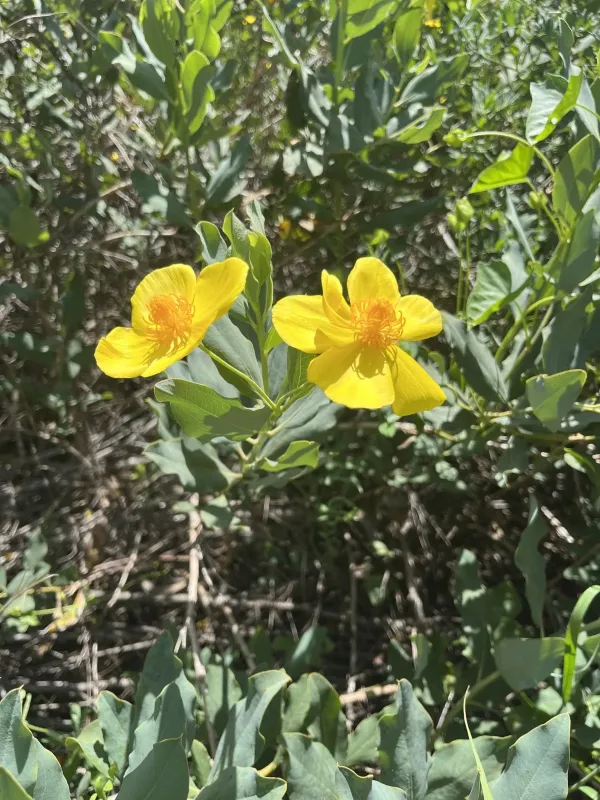
Description
Sowing dates
Propagation of Dendromecon harfordii is typically performed via seeds, which require specific stratification processes to break seed dormancy.
Sowing in a controlled greenhouse environment is recommended, using a well-draining seed-starting mix to ensure optimal germination rates.
Propagation by cuttings is also an option, requiring semi-ripe wood harvested during the late summer months to ensure high success rates.
Rooting hormone application is often necessary when using cuttings to encourage the development of a robust and healthy root system.
Transplanting seedlings outdoors should only occur once all frost risks have passed, ensuring the soil temperature is sufficiently warm for active growth.
Growing requirements
Dendromecon harfordii, a member of the Papaveraceae family, is a distinct evergreen shrub native to the Channel Islands of California.
The plant thrives in full sun exposure, requiring locations that offer excellent airflow to maintain health and vigor throughout the growing season.
Soil composition is critical; it must provide exceptional drainage, as the roots are highly susceptible to rot when kept in consistently damp conditions.
This species is well-adapted to rocky or sandy soils and displays significant drought tolerance once fully established in its permanent location.
Minimal fertilization is required, as the plant is adapted to nutrient-poor soils; over-fertilization may inhibit its natural flowering characteristics.
Main diseases and pests
Generally, Dendromecon harfordii exhibits strong natural resistance to many common garden pests due to its phytochemical composition.
The primary concern for growers is the threat of soil-borne pathogens and root rot, which are triggered by improper irrigation or poor drainage.
Powdery mildew can occur in environments with high humidity and poor ventilation, necessitating adjustments in plant spacing or chemical control.
While relatively hardy, the plant may experience stress from extreme humidity, requiring specialized management strategies in non-Mediterranean climates.
Regular monitoring of foliage and root zones, combined with careful pruning of dead branches, remains the best defense against potential infestations.