
Sweet osmanthus
Osmanthus fragrans (Thunb.) Lour.
Description
Growing requirements
Sweet osmanthus (Osmanthus fragrans) is a prominent evergreen tree or shrub belonging to the Oleaceae family. Originating from the temperate and subtropical zones of East Asia, this plant is widely celebrated for its intense, fruity-floral fragrance that persists throughout the blooming season.
The plant thrives in fertile, well-draining soils with a neutral or slightly acidic pH. It requires a humid climate and consistent, moderate temperatures. In colder regions, Osmanthus fragrans must be grown in greenhouses or as container plants, as it is frost-sensitive and prone to damage below -10°C.
Agricultural management requires careful attention to irrigation; the soil should remain moist but never waterlogged to prevent root health issues. Additionally, proper sunlight management is essential, as the plant prefers full sun to light shade to ensure robust flower production.
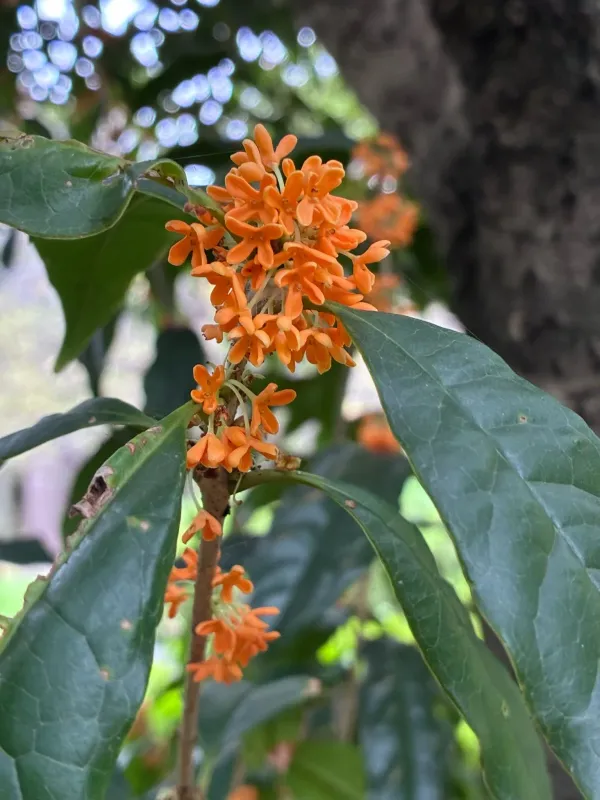
Botanically, the species is defined by its dark green, leathery, serrated leaves and small, highly aromatic blossoms. Depending on the cultivar, flower colors range from snowy white to deep orange, with each variety possessing subtle differences in their chemical profile and aromatic intensity.
Commercially, the plant is primarily cultivated for its use in the flavor and fragrance industries. The flowers are frequently blended with black or green teas, and the extracted absolute is a prized ingredient in luxury perfumery, valued for its complex, nectar-like scent profile.
Main diseases and pests
The primary pests affecting Osmanthus fragrans include scale insects and spider mites. These pests typically congregate on the underside of the foliage, sucking nutrients and causing premature leaf drop if infestations are not controlled.
Root rot represents the most significant pathological threat to the crop. It is almost exclusively caused by poor soil drainage and over-irrigation, necessitating a strict adherence to moisture management protocols and high-quality substrate selection.
Fungal leaf spots and anthracnose can appear in environments with inadequate air circulation and high humidity levels. Management practices such as regular pruning for airflow and the application of copper-based fungicides are highly effective in maintaining crop health.
Powdery mildew may occur when there are significant fluctuations in ambient temperature and stagnant air. Greenhouse cultivation requires active ventilation systems to mitigate the risk of pathogen colonization on the foliage.
By implementing an integrated pest management (IPM) program, growers can ensure consistent yields and preserve the quality of the aromatic flowers, which are the main economic output of this plant.