
Holly osmanthus
Osmanthus heterophyllus (G. Don) P. S. Green
Description
Growing requirements
Holly osmanthus (Osmanthus heterophyllus) belongs to the Oleaceae family. Originating from Japan and Taiwan, this evergreen shrub is widely cultivated for its attractive, holly-like foliage and intensely fragrant autumn blossoms.
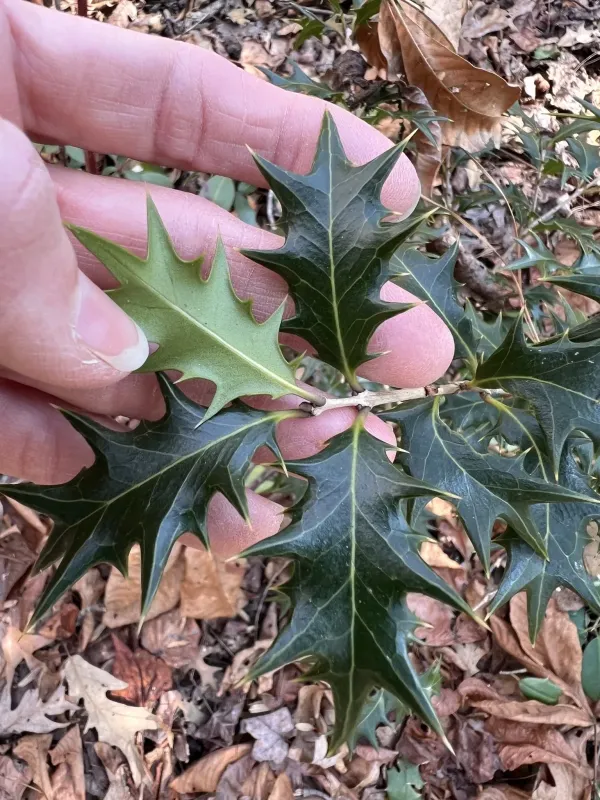
Botanically, the plant is characterized by its glossy, leathery leaves that transition from prickly, serrated edges in its juvenile stage to smooth margins as the plant matures. It produces small, inconspicuous white flowers that emit a powerful perfume, often compared to jasmine.
The plant thrives in fertile, well-draining soil with a slightly acidic to neutral pH. It prefers partial shade but can tolerate full sun exposure, provided that the soil moisture levels are consistently maintained throughout the growing season.
Climatic requirements involve protection from severe winter winds and extreme freezing temperatures, as it is best suited to mild temperate zones. In colder climates, it is frequently utilized as an ornamental container plant that can be moved indoors during winter.
Cultivation practices include moderate watering during dry spells, light pruning to shape the canopy, and the application of balanced fertilizers during early spring. Its dense growth habit makes it an excellent candidate for hedges, privacy screens, and formal topiary.
Main diseases and pests
Holly osmanthus is generally robust, but it can be susceptible to root rot if planted in heavy, waterlogged soils. Ensuring excellent drainage is the most critical factor in preventing subterranean fungal infections.
Pest issues are relatively minor but can include scale insects, which may congregate on the underside of leaves and along stems. Systematic horticultural oil sprays or systemic insecticides are recommended to manage these infestations effectively.
Leaf spot diseases may occur in environments with poor air circulation or excessive humidity. Regular thinning of the interior branches helps improve airflow, which significantly reduces the incidence of fungal leaf pathogens.
Spider mites can become a nuisance during hot, dry summer months. Monitoring the plant closely and maintaining adequate humidity through occasional misting or irrigation can discourage these pests from establishing.
Maintaining plant vigor through balanced nutrition and avoiding overcrowding in landscape designs are the primary methods for ensuring long-term health and resistance against common garden threats.