
Forsythia koreana
Forsythia koreana
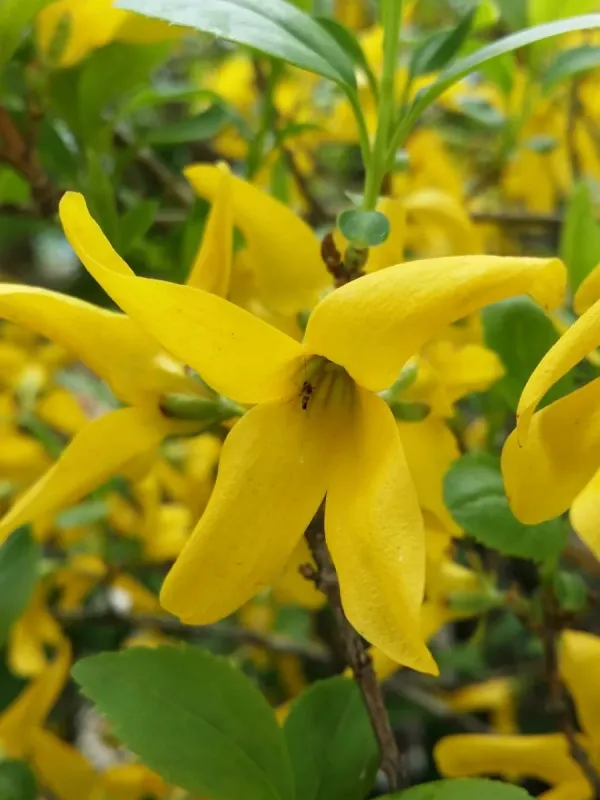
Description
Growing requirements
Forsythia koreana is a deciduous shrub belonging to the Oleaceae family. Native to the Korean Peninsula, it is highly valued in horticulture for its spectacular display of early spring yellow flowers that emerge before the foliage appears.
The shrub thrives in full sun, which is essential for maximum flower production. While it can adapt to partial shade, locations that receive at least six hours of direct sunlight per day are ideal for robust growth and dense branching patterns.
It requires well-drained, fertile soil with a neutral to slightly alkaline pH level. Soils that are excessively damp or prone to waterlogging should be amended with organic matter or drainage pipes to prevent root rot, which is a common stressor for the plant.
Climatic requirements involve moderate zones where the plant can establish a deep root system. In areas with extremely harsh winter temperatures, it is advisable to provide root zone protection with mulch to preserve the vitality of the plant during dormancy.
Regular maintenance includes an annual pruning schedule. Removing one-third of the oldest stems after flowering encourages the development of fresh, vigorous shoots, which ensures the shrub remains productive and structurally sound for future seasons.
Main diseases and pests
Bacterial blight is a serious concern for this species. It causes branches to wither suddenly and die back. Pruning affected stems back to healthy wood and destroying the infected material is necessary to contain the pathogen.
Fungal leaf spot can occur during humid, wet seasons, affecting the aesthetic value of the shrub. Using fungicides as a preventive measure during the early growth stage is an effective strategy for maintaining plant health.
Pests such as mites and aphids may infest the new growth during hot, dry spells. These pests suck sap from the leaves, causing them to curl or yellow, and require targeted insecticide applications to prevent heavy infestations.
Root-knot nematodes can weaken the plant by damaging the vascular system of the roots. Monitoring the soil quality and avoiding over-fertilization with nitrogen helps in building natural resistance against such soil-borne pathogens.
Consistent garden sanitation, including the removal of fallen leaves around the base of the plant, significantly reduces the overwintering population of various garden pests and fungal spores.