
Japanese forsythia
Forsythia japonica
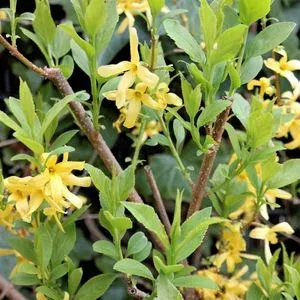
Description
Growing requirements
Japanese forsythia (Forsythia japonica) is a deciduous shrub belonging to the Oleaceae family, widely recognized for its vibrant early spring blossoms.
Originating from the mountainous regions of Japan, this plant flourishes in sunny locations, though it can tolerate partial shade if the environment remains warm.
The shrub demands well-drained, nutrient-rich soil; it is vital to avoid heavy clay or waterlogged areas that may cause root rot during dormant winter periods.
In terms of climate, the plant is relatively hardy but benefits significantly from sheltered spots protected from strong, drying winds that can dehydrate stems.
Agrotechnical maintenance focuses on pruning techniques performed immediately after flowering; this helps manage the plant's size and encourages the growth of healthy new wood for the next year.
Main diseases and pests
Common pathological issues include fungal diseases like Monilia blight and Phyllosticta leaf spot, which are often encouraged by stagnant water and poor air circulation.
Cultural control measures, such as pruning away damaged wood and clearing fallen leaves from the root zone, are essential first steps in disease prevention.
Insect pests, including aphids and gall mites, can occasionally affect the vitality of the plant, causing leaf curling or the development of abnormal flower buds.
Application of fungicides or systemic insecticides should be considered if monitoring reveals significant infestation levels during the active vegetative growth phase.
Maintaining balanced soil nutrition and regular moisture management helps the plant maintain a strong defense mechanism against common horticultural pests and pathogens.