
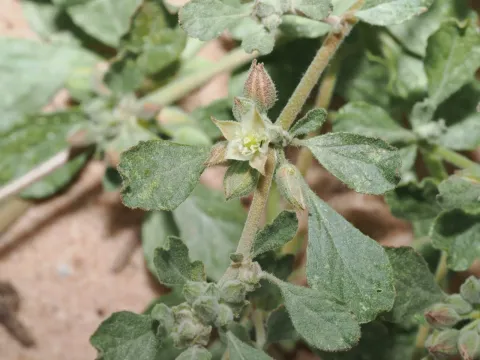
Glinus
Glinus
Glinus species reproduce naturally via seeds that drop into the soil after maturation. In an agricultural or horticultural context, it is recommended to sow seeds in the spring once the soil temperature consistently reaches 15–18 degrees Celsius for successful germination.
What the section contains


Glinus
Sowing depth should be minimal, as the seeds are quite small and require adequate access to sunlight to stimulate growth. Planting is typically done in rows, maintaining a spacing of 20–30 centimeters between rows to ensure that each plant has enough room to develop properly.
Maintaining stable moisture levels in the topsoil layer is a critical factor during the initial germination phase. Once mass emergence occurs, thinning the seedlings is recommended to reduce competition for nutrients and water, which is essential for uniform plant development.
In regions with late springs, sowing can be conducted under protective films or in greenhouses to accelerate the vegetation period. Glinus seedlings are sensitive to sharp temperature fluctuations, so early sowing in open fields in temperate climates is generally discouraged.
If utilizing stored seeds, it is important to check their viability or perform stratification, as the germination energy of this genus may decrease significantly over extended periods of time if not stored in optimal, dry, and cool conditions.
Glinus plants prefer sunny, open areas with high light intensity, as limited sunlight can cause the stems to become etiolated and reduce flowering. The plants are relatively adaptable but show the best vegetative performance when grown in well-drained, light sandy loam or loamy soils.
Water requirements vary by growth stage; during the active vegetative phase, the crop needs regular irrigation. However, during the fruiting stage, excessive soil moisture should be avoided to prevent root system decay. Glinus demonstrates resilience to brief dry spells due to its specific tissue structure.
The optimal soil pH range for healthy growth is between 6.0 and 7.0, spanning neutral to slightly acidic conditions. Overly alkaline soils may require the application of acidifying amendments to improve the bioavailability of essential micronutrients.
The temperature regime must match tropical or subtropical conditions; the plant is highly sensitive and will not tolerate even minor frosts. An optimal temperature range for efficient metabolic activity in Glinus tissues is between 22 and 28 degrees Celsius.
Soil fertility is important for high biomass production, so on nutrient-poor plots, the application of organic fertilizers before the growing season is recommended. The crop responds well to moderate nitrogen-based fertilization during the initial growth stages.
Agricultural use of Glinus is typically localized, so green biomass yields vary significantly depending on growing conditions. Under favorable circumstances, the plant can quickly form a dense carpet of foliage, allowing for the harvest of a substantial volume of plant matter.
When grown for commercial or pharmacological purposes, the average yield of dried above-ground biomass can reach 1.5–2 metric tons per hectare under strict adherence to best agronomic practices. Harvesting seeds requires precision due to their natural tendency to shatter upon ripening.
Biological productivity is directly correlated with plant density and the intensity of solar radiation received during the growing season. Maximum biomass is generally achieved just before the peak flowering stage, which is also the optimal time for harvesting if the goal is to maximize active compounds.
Successive harvests within a single growing season are possible only in regions with long summers, provided that the first harvest is followed by adequate irrigation and fertilization. The regrowth of shoots after cutting is vigorous, making this genus a potential candidate for sustainable biomass production.
It is crucial to consider that yield potential may be limited by susceptibility to specific pathogens, which makes crop rotation and the selection of healthy, disease-free planting material the most vital factors for successful commercial outcomes.
Common diseases affecting the Glinus genus include fungal infections such as root rot and powdery mildew, which often develop under conditions of high soil moisture or poor field ventilation. At the first signs of disease, broad-spectrum fungicides should be applied to protect the crop.
Pests such as spider mites and aphids pose the greatest threat, especially during hot and dry weather periods. These insects feed on cell sap, which leads to the deformation of young leaves and a significant reduction in the quality and marketability of the harvested raw material.
For pest control, the use of biological insecticides is recommended to maintain the ecological integrity of the crop, particularly if it is intended for medicinal use. Preventive measures include timely weeding and the thorough removal of crop residues from the field.
Nematodes may also damage the root system, especially when Glinus is grown in fields with inadequate crop rotation. Affected plants should be immediately pulled and disposed of away from the plot to prevent the spread of infestation to healthy neighboring plants.
Improper irrigation scheduling often triggers bacterial spotting on leaves, which manifests as dark lesions. Ensuring proper spacing between plants helps lower the risk of these issues by improving air circulation and reducing humidity around the foliage.
The harvesting of Glinus is primarily conducted during the full flowering period, as this is when the concentration of biologically active compounds is at its highest. While mechanized harvesting is possible, manual cutting is preferred to minimize mechanical losses and ensure cleaner raw material.
Immediately after cutting, the material should be moved to a well-ventilated drying facility, protected from direct sunlight, to preserve the natural color and potency of the plant. The drying temperature should be strictly controlled and not exceed 40 degrees Celsius.
If seed production is the goal, harvest should be performed as the seed pods begin to mature and the plant starts to yellow. Because ripening is often uneven, harvesting is frequently done in several passes to ensure the maximum yield of mature seeds is captured.
Seed cleaning is typically performed by winnowing or using screens of various mesh sizes after the harvested material has been thoroughly dried in bundles. The seed stock should be kept in a dry, cool environment inside paper bags or cloth sacks to maintain long-term viability.
After the harvest is complete, residual stems should be tilled into the soil as green manure or entirely removed from the site to allow for deep autumn plowing. This practice contributes to soil health and effectively destroys the overwintering stages of various field pests.