
Glinus lotoides
Glinus lotoides
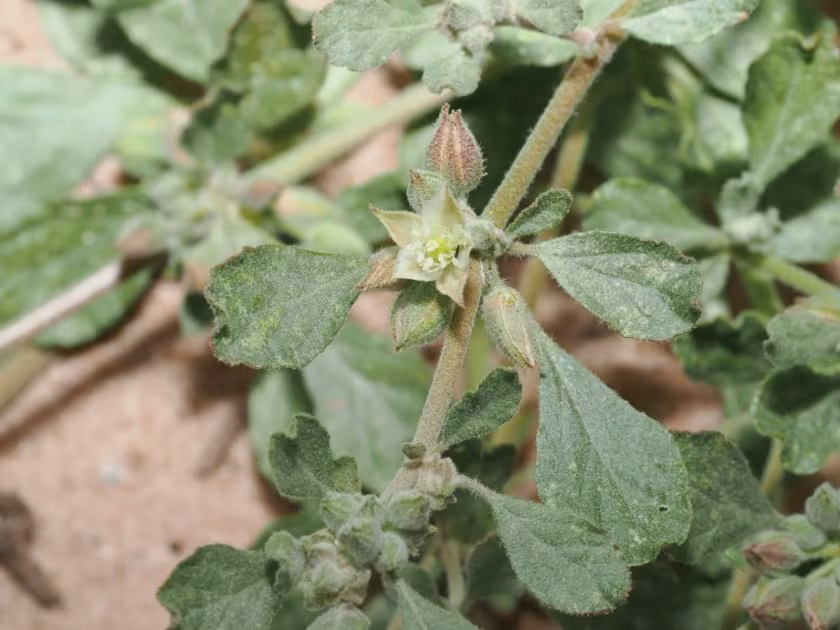
Description
Growing requirements
Glinus lotoides is a member of the Molluginaceae family, widely recognized as a creeping annual herb that thrives in warm, humid climates across Africa and parts of Asia.
The plant is commonly found in wetlands, riverbanks, and areas prone to seasonal flooding, where it utilizes the rich sediment for rapid vegetative growth.
Climate requirements involve sustained high temperatures, making it a well-adapted species for tropical regions where other forage crops might struggle with water management.
The soil should be sandy or loamy with high moisture retention capacity, ensuring that the roots remain hydrated during the intense heat of the growing season.
Agronomic management relies on precise water control; although it loves moisture, stagnant water for prolonged periods must be balanced with adequate soil aeration.
Yield
The primary agricultural use of Glinus lotoides is as a forage crop for livestock, as it provides a succulent source of nutrients in drought-prone areas.
Beyond its value as animal feed, the plant holds significant importance in ethnomedicine, particularly regarding its traditional use as an anthelmintic agent.
Its rapid growth cycle allows for frequent harvesting, ensuring a steady supply of green matter for local farm production and soil management practices.
Research suggests that the chemical composition of the plant makes it a viable candidate for natural soil amendment when incorporated into the top layer of the ground.
Yield metrics are largely dependent on the moisture regime, with optimal conditions enabling a dense ground cover that effectively suppresses competing weed species.
Main diseases and pests
Root rot and fungal infections represent the most significant threats to Glinus lotoides, especially in environments where humidity remains high and ventilation is poor.
Insect pests, such as larvae from various Lepidoptera species, can significantly reduce leaf biomass, negatively impacting the total harvest weight.
Soil-borne nematodes pose a hidden but severe threat to the root system, which can cause stunted growth and yellowing of the foliage across entire sections of a plot.
Management involves rotating crops to break the life cycle of pests and ensuring that drainage systems are efficient enough to prevent water accumulation.
Integrated pest management strategies are recommended, focusing on natural biological control to avoid the use of harsh chemicals that could affect livestock consumption.