
Hypertelis
Hypertelis
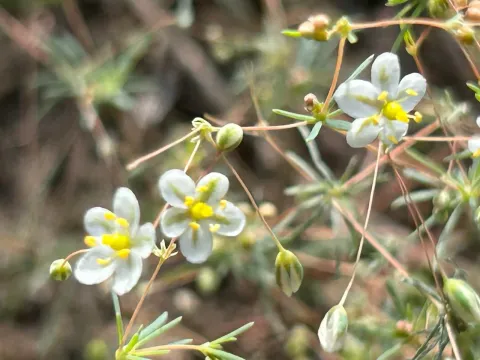
Hypertelis is a genus of herbaceous plants belonging to the Molluginaceae family. These plants are primarily native to the arid and semi-arid regions of Africa, particularly southern parts of the continent, and some islands in the Indian Ocean.
What the section contains


Hypertelis
The botanical structure of Hypertelis includes succulent-like features, which allow the plants to thrive in regions with low rainfall and high temperatures. Their leaves and stems are often adapted to minimize water loss, reflecting their evolution in nutrient-poor, rocky environments.
Cultivation of this genus requires conditions that mimic its natural habitat. The soil must be exceptionally well-draining, typically a sandy or gravelly substrate. Poor drainage is the most significant limiting factor for successful cultivation, as it quickly leads to root failure.
Regarding climate requirements, Hypertelis demands significant sunlight exposure to maintain its growth and vitality. While it is highly drought-tolerant, extreme variations in humidity levels should be avoided to prevent stress to the plant's metabolic processes.
In terms of usage, Hypertelis is not a commodity agricultural crop. Its value is predominantly horticultural, utilized in xeriscaping or as an exotic specimen in botanical collections where specific arid-climate conditions can be strictly controlled.
The primary threats to Hypertelis include fungal pathogens that exploit overwatered conditions. Root rot and damping-off diseases are frequently fatal, occurring rapidly if the substrate remains saturated for even short periods of time.
Pest pressures primarily involve sap-sucking insects, such as mealybugs and spider mites. These pests thrive in dry, warm environments and can quickly damage the plant's tissues, necessitating proactive monitoring and localized control measures to ensure plant longevity.