
Glinus radiatus
Glinus radiatus
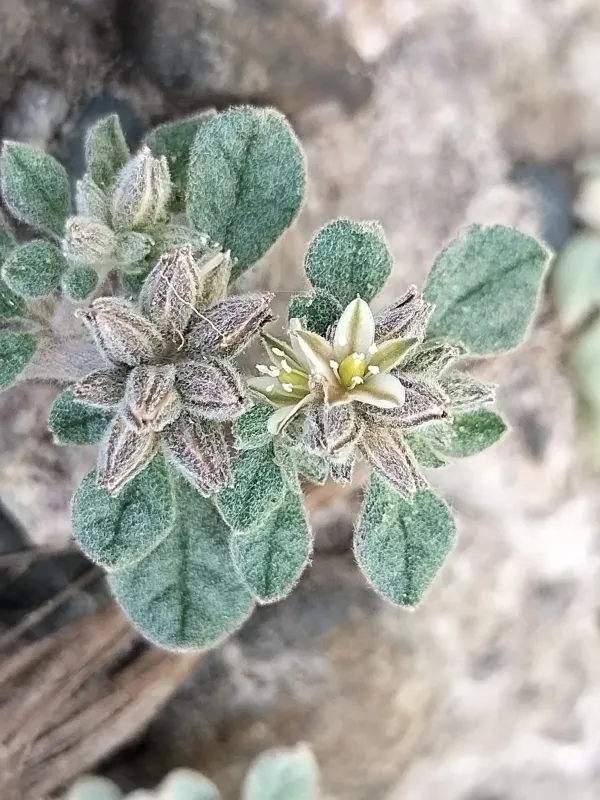
Description
Growing requirements
Glinus radiatus, a member of the Molluginaceae family, is an annual herbaceous plant noted for its radial growth pattern. This species is often recognized by its distinct spreading stems that effectively cover the ground, functioning as a significant component of local ecosystems.
The plant originates from tropical and subtropical regions across the Americas. Its natural habitat is typically characterized by moist environments, including riparian zones and floodplains, where it exhibits high resilience to water fluctuations and seasonal flooding events.
For optimal growth, Glinus radiatus requires warm temperatures and consistent soil moisture. It thrives in well-draining yet moisture-retentive soils. It is particularly sensitive to cold temperatures, making it unsuitable for cultivation in regions with early frosts or extended cool seasons.
From an agronomical perspective, the cultivation requirements emphasize the need for nutrient-rich substrates and open, sunny locations. The plant responds well to nitrogen fertilization during the vegetative phase, which accelerates the development of its biomass, essential for its intended use as a cover crop.
The practical application of Glinus radiatus includes its role as a potential soil stabilizer and green manure. In specific agricultural systems, it is valued for its ability to protect topsoil from erosion and its contribution to organic matter content when incorporated into the soil profile at the end of its life cycle.