
Glinus dahomensis
Glinus dahomensis
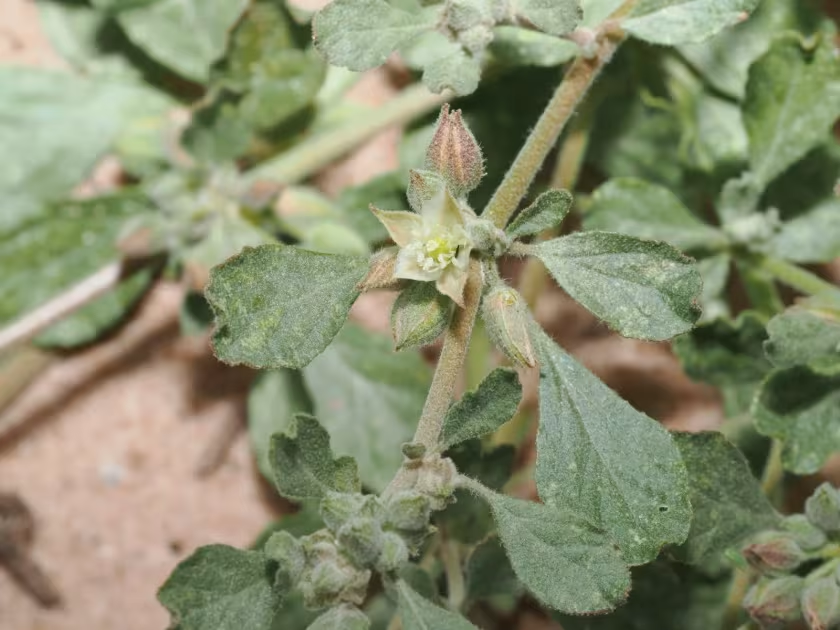
Description
Growing requirements
Glinus dahomensis is a plant species belonging to the Molluginaceae family. It is native to tropical African environments, where it naturally adapts to sandy and disturbed soil substrates, showcasing high resilience in challenging local climates.
To cultivate this crop successfully, growers must ensure a warm environment with plenty of sunlight. It thrives best in well-draining soils, as the root system is highly sensitive to waterlogging, which often leads to rapid decay in humid conditions.
The optimal temperature range for the development of Glinus dahomensis lies between 22 and 30 degrees Celsius. It requires consistent moisture throughout its growth stages but prefers a drying period between watering cycles to maintain plant health.
Agricultural practices include manual weeding and keeping the soil light and aerated. Given its tropical origins, the crop is usually treated as an annual in regions with cooler climates, often grown in greenhouses to control environmental variables effectively.
The plant has established significance in traditional medicine practices within its native range. Research continues into the extraction of its active compounds, which are studied for potential antimicrobial and anti-inflammatory properties for industrial applications.
Main diseases and pests
Fungal pathogens such as Fusarium or Pythium species are the most common threats to Glinus dahomensis when soil moisture levels are poorly managed. Proper drainage systems are the best preventative measure against these infections.
Pests, particularly spider mites and aphids, can cause significant damage by depleting the plant's nutrients. Monitoring programs and the use of organic deterrents are essential to ensure the vitality of the crop throughout the growing season.