
Glinus oppositifolius
Glinus oppositifolius
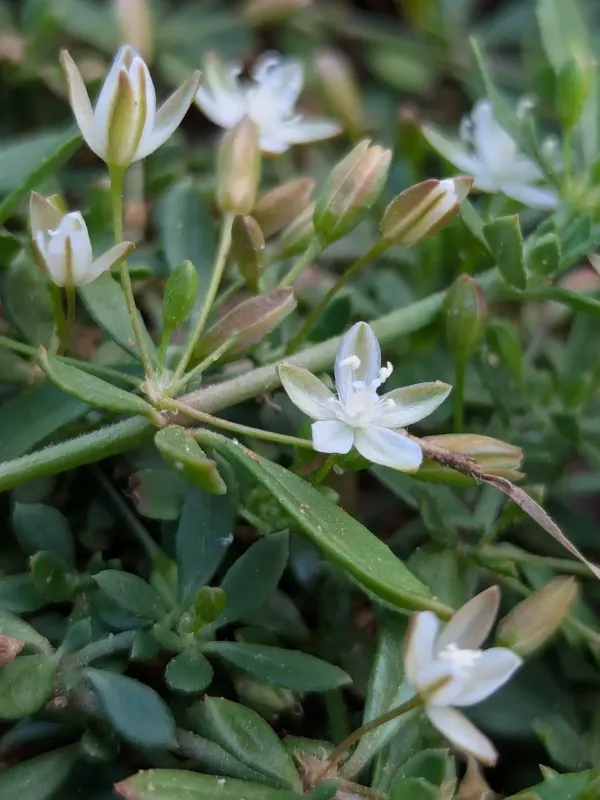
Description
Sowing dates
Glinus oppositifolius is a tropical annual plant, requiring a warm growing season without the threat of frost for successful cultivation. Seeds are sown directly into warmed soil immediately after the rainy season ends or when stable warm weather arrives.
The optimal sowing time is when soil temperatures reach 20–25 degrees Celsius, ensuring rapid seed germination. In regions with distinct seasonality, sowing is performed in early spring so the plant can complete its development cycle before the onset of the dry period.
Surface sowing is recommended, as the tiny seeds of Glinus require a small amount of sunlight to trigger germination processes. The soil should be lightly rolled after sowing to ensure firm contact between the seeds and the moist substrate.
Sowing density is adjusted based on the purpose of cultivation: higher planting densities are used for biomass production, while wider rows are used for seed collection. Seedlings typically appear 7–14 days after sowing, provided constant moisture is maintained in the topsoil layer.
Implementing weed control measures during the early growth stages is critical, as young Glinus sprouts develop slowly and can be suppressed by more aggressive wild plant species.
Growing requirements
This crop belongs to the Molluginaceae family and is an herbaceous plant adapted to humid habitats. In its natural environment, it is frequently found along water bodies, in moist lowlands, and in rice paddies.
Glinus prefers well-drained but sufficiently moist soils rich in organic matter. The plant exhibits high plasticity regarding substrate composition, though it develops best in loamy and fertile alluvial soils.
A critical factor for normal development is light exposure; Glinus is a light-loving plant that requires open, well-illuminated areas. Under conditions of heavy shading, stems become elongated, and the quality of medicinal raw material decreases.
The temperature optimum for vegetation is 25–30 degrees Celsius; while the plant can tolerate periods of waterlogging, it is extremely sensitive to prolonged droughts, which trigger premature flowering.
In agricultural practice, it is important to maintain a consistent irrigation schedule, especially during the phase of active vegetative mass accumulation. The plant effectively utilizes soil nutrients and responds well to small doses of nitrogen fertilizers during early growth stages.
Main diseases and pests
Like many tropical plants, Glinus can be affected by various fungal diseases, especially in conditions of high air humidity and poor ventilation. The most common issue is root rot, which occurs during water stagnation.
To prevent the spread of pathogens, it is necessary to follow proper crop rotation and avoid overcrowding in the fields. An effective control method is the immediate removal of infected specimens along with the root zone to prevent primary contamination of neighboring plants.
The most dangerous pests are various leaf-eating caterpillars and aphids, which can significantly reduce biomass yields. Regular monitoring of crop health allows for the identification of pest outbreaks at an early stage.
For pest control, the use of biological protection methods is recommended, which is particularly relevant for plants intended for medicinal or food use.
Adhering to sanitation standards in the field and timely weeding can significantly reduce viral load and pest numbers, maintaining the crop's biological productivity at a high level throughout the season.
Harvesting
Harvesting of Glinus oppositifolius begins during the mass flowering phase, when the concentration of beneficial compounds in the above-ground parts of the plant reaches its peak. At this stage, the stems remain tender and juicy, facilitating subsequent processing.
Harvesting is performed by mowing the green mass at a height of 5–10 centimeters above the soil level. This height allows the plant to potentially produce a secondary yield if the climatic period permits continued vegetation.
Collected material must be sent for drying as quickly as possible to avoid oxidation and spoilage due to high moisture content. Optimal drying is conducted in the shade under a canopy with good air circulation.
If seed material is required, plants are left in the field until the seed pods fully mature, indicated by the stems turning brown and beginning to dry out. It is crucial not to miss the seed-shattering phase, which happens very rapidly.
After harvesting, seeds are cleaned of impurities and stored in cool, dry areas, as they are highly hygroscopic and can quickly lose viability if stored incorrectly.